


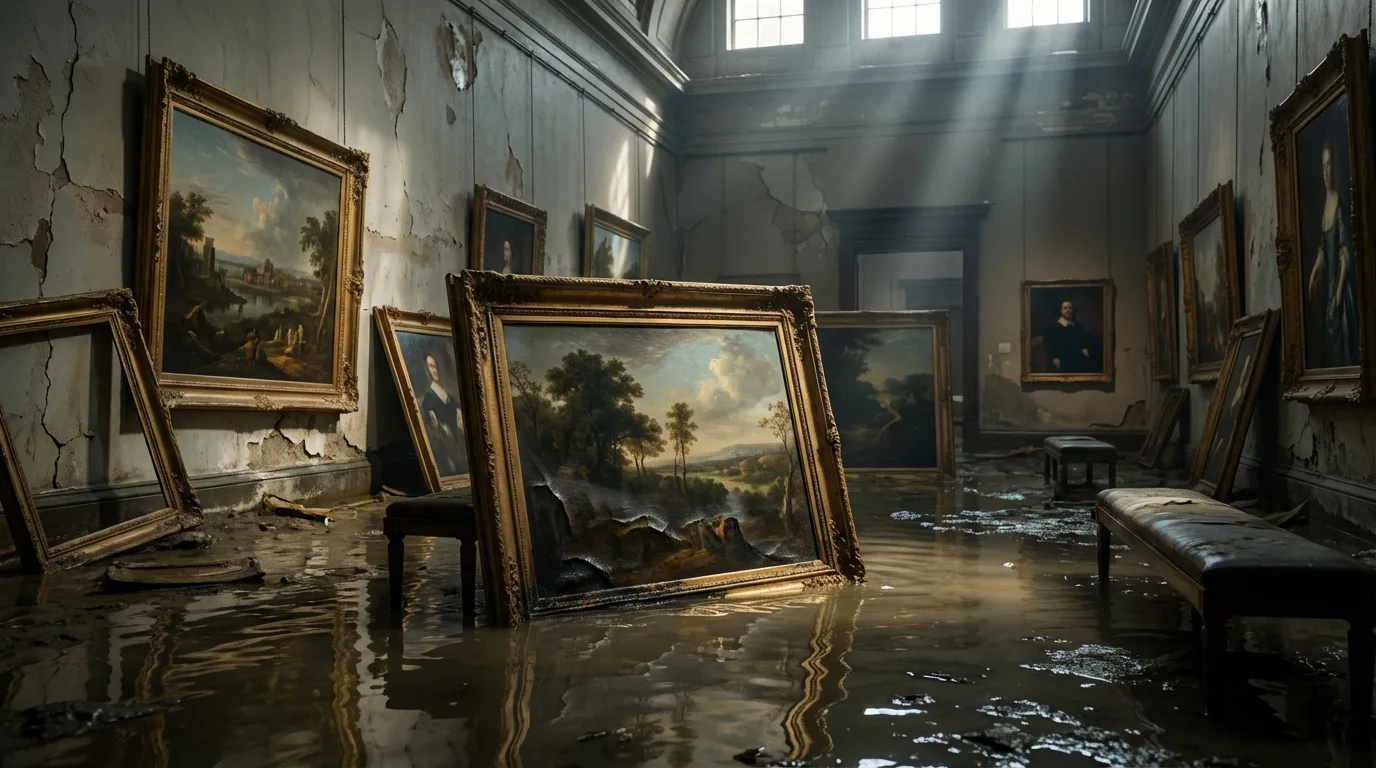
Water damage is a nightmare for any art collector. Beyond the emotional distress of seeing your prized possessions affected, dealing with insurance claim denials can add insult to injury. As an avid collector myself, I've learned firsthand the importance of proactive prevention and meticulous documentation. A few years ago, I had a particularly close call that really hammered this home.
During the unusually wet spring of 2018, a faulty gutter system led to water seeping into my basement, where I stored a collection of prints. In my basement studio, which features a dehumidifier and climate control, the humidity spiked despite my best efforts. My humidity sensor, an AcuRite 00613, usually read around 50%, but that week it was consistently hovering around 75-80%. I quickly moved the prints to a safer location. That incident taught me valuable lessons, and I'm here to share practical steps you can take to minimize the risk of water damage and ensure a smoother claims process, should the worst happen.
Understanding Common Causes of Water Damage
Water damage can stem from various sources, and identifying potential risks is the first line of defense. Here are some common culprits:
- Plumbing Leaks: Burst pipes, leaky faucets, and malfunctioning appliances (like washing machines or dishwashers) are frequent causes.
- Roofing Issues: Damaged or aging roofs can allow rainwater to seep into your home.
- Flooding: Natural disasters like hurricanes, floods, and heavy rainfall can overwhelm drainage systems.
- HVAC Systems: Condensation from air conditioners or leaks in humidifiers can cause water damage.
- Humidity: High humidity levels can foster mold growth, which can damage artwork over time.
Proactive Measures to Prevent Water Damage
Prevention is always better than cure. Implementing these measures can significantly reduce the risk of water damage to your art collection:
- Regular Inspections: Conduct routine inspections of your plumbing, roofing, and HVAC systems. Address any leaks or potential issues immediately.
- Install Water Leak Detectors: Devices like the Honeywell Lyric Water Leak and Freeze Detector can alert you to leaks before they cause significant damage. Place them near potential problem areas like pipes, sinks, and appliances.
- Maintain Proper Ventilation: Ensure adequate ventilation in storage areas to prevent humidity buildup.
- Use Dehumidifiers: In humid climates, a dehumidifier like the Frigidaire FFAD7033R1 can help maintain optimal humidity levels (ideally between 45-55%).
- Elevate Artwork: Store artwork off the floor to protect it from potential flooding or spills. Consider using risers or shelving units.
- Proper Framing and Glazing: Use acid-free materials and UV-protective glazing to shield artwork from environmental damage.
The Importance of Environmental Control
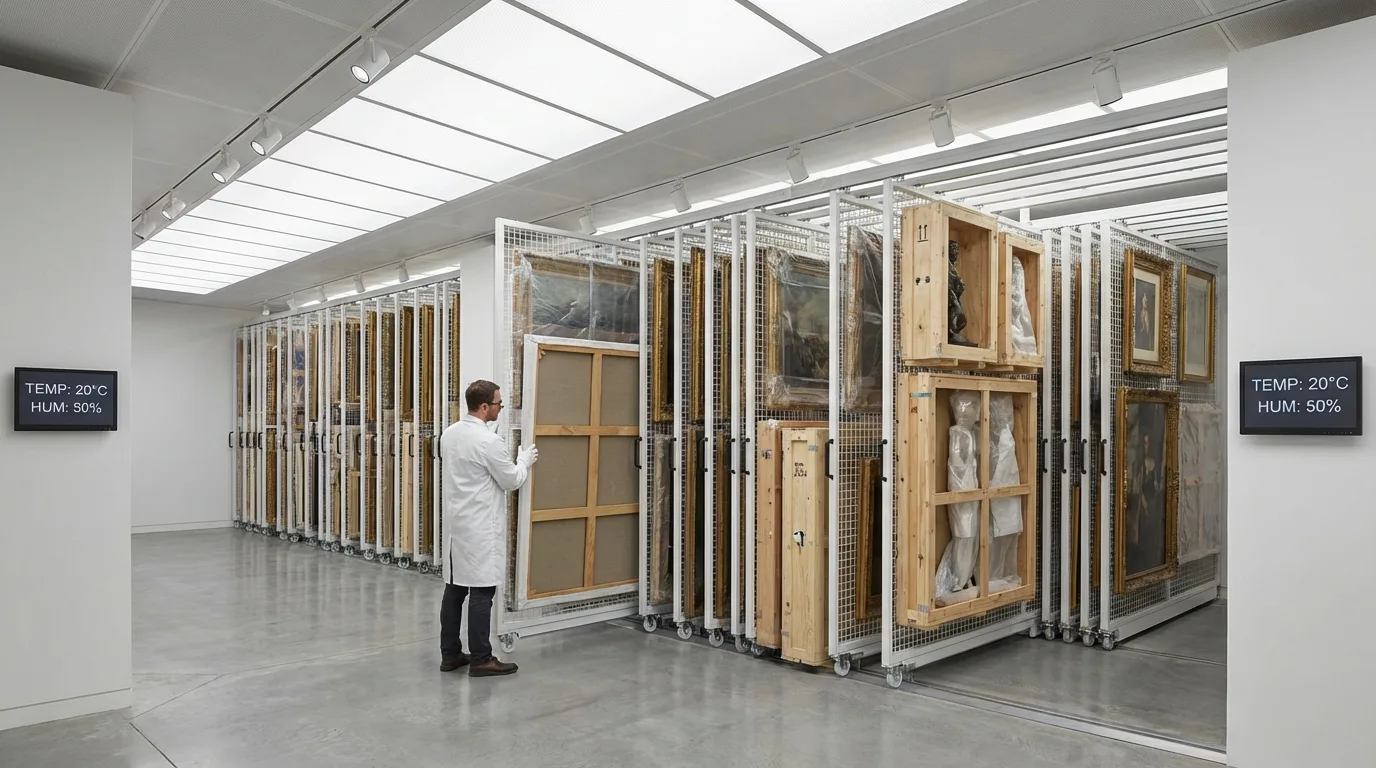
Maintaining a stable environment is crucial for preserving artwork. Fluctuations in temperature and humidity can cause irreversible damage, such as cracking, warping, and mold growth.
In 2020, I invested in a professional-grade climate control system for my dedicated art storage room. Specifically, I installed a Mitsubishi MSZ-GL12NA AC unit with a dedicated dehumidifying mode, coupled with a Sensiron SHT31-DIS humidity sensor. By maintaining a consistent temperature of 68°F and humidity level of 50%, I have noticed a dramatic decrease in the rate of degradation of my paper-based artworks. The colors remain more vibrant, and the paper is less prone to yellowing.
Meticulous Documentation: Your Best Defense
Detailed documentation is essential for a smooth insurance claim process. If water damage does occur, comprehensive records will help demonstrate the value of your artwork and the extent of the damage.
- Detailed Inventory: Create a comprehensive inventory of your art collection, including the artist's name, title of the work, medium, dimensions, acquisition date, and purchase price.
- High-Quality Photographs: Take clear, high-resolution photographs of each artwork. Update these photos regularly to document any changes in condition.
- Appraisal Reports: Obtain professional appraisal reports from qualified appraisers. Update these reports every few years to reflect changes in market value. The Appraisers Association of America can help you find a qualified appraiser.
- Purchase Receipts and Provenance: Keep all purchase receipts, invoices, and provenance information (documentation of the artwork's history of ownership).
- Condition Reports: Document the condition of each artwork upon acquisition and periodically thereafter. Note any existing damage or imperfections.
Responding to Water Damage: Immediate Actions
If you discover water damage, act quickly to minimize further harm:
- Stop the Source: Immediately identify and stop the source of the water leak.
- Document the Damage: Take detailed photographs and videos of the affected artwork and the surrounding area. Do not disturb the scene until you have thoroughly documented it.
- Contact Your Insurance Company: Notify your insurance company as soon as possible. Provide them with all relevant information, including your policy number, a description of the damage, and your inventory records.
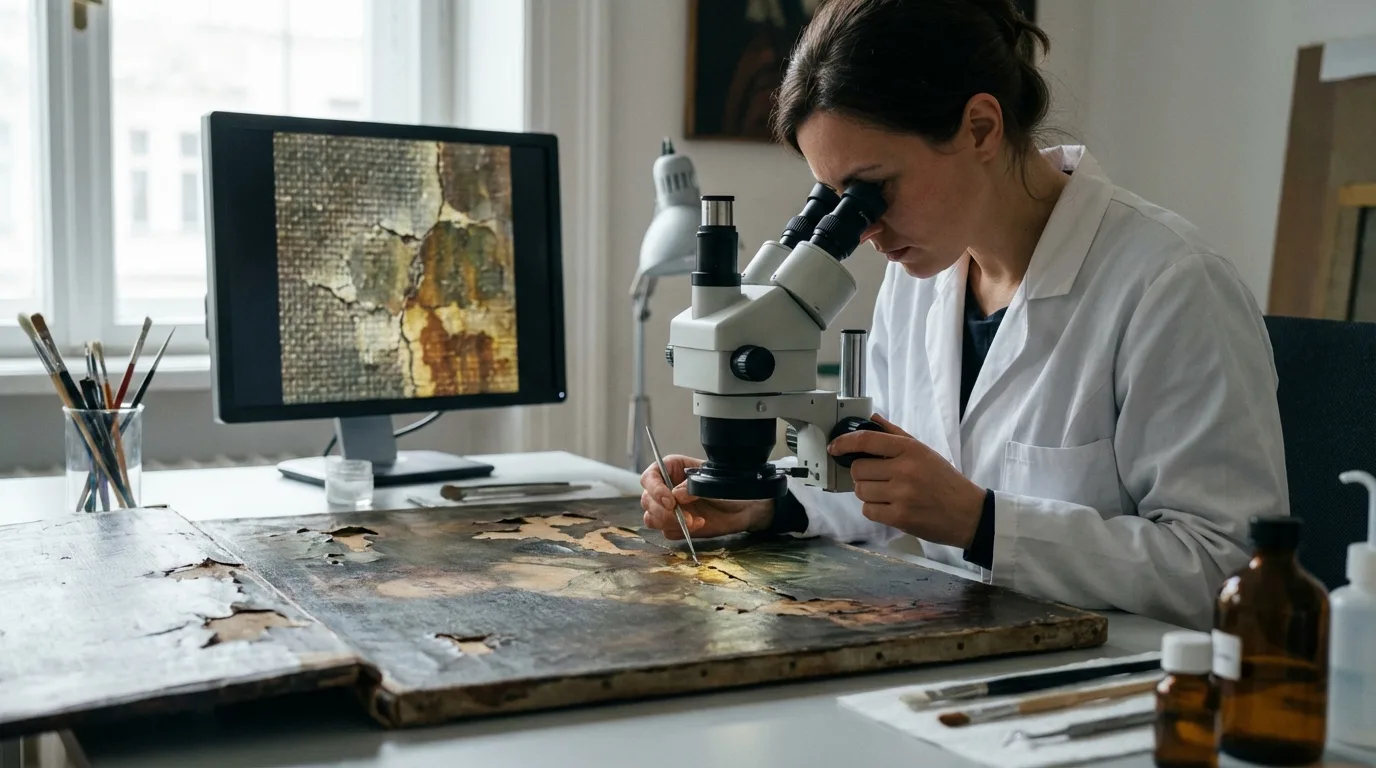
- Contact a Professional Art Conservator: Consult with a qualified art conservator to assess the damage and recommend appropriate treatment options. The American Institute for Conservation (AIC) can help you locate a conservator in your area.
- Mitigate Further Damage: If possible, carefully move the affected artwork to a dry, safe location. Avoid attempting to clean or repair the artwork yourself, as this could cause further damage.
Navigating the Insurance Claim Process
Filing an art insurance claim can be a complex process. Here are some tips to help you navigate it successfully:
- Review Your Policy: Carefully review your insurance policy to understand your coverage limits, deductibles, and exclusions.
- Provide Complete Documentation: Submit all required documentation to your insurance company in a timely manner. This includes your inventory records, appraisal reports, photographs, and condition reports.
- Cooperate with the Adjuster: Cooperate fully with the insurance adjuster and provide them with any additional information they request.
- Obtain Multiple Estimates: Get estimates from multiple art conservators for the cost of repairing the damage.
- Negotiate with the Insurance Company: Be prepared to negotiate with the insurance company to ensure that you receive fair compensation for your losses.
Understanding Common Reasons for Claim Denials
Several factors can lead to art insurance claim denials. Being aware of these pitfalls can help you avoid them:
- Inadequate Documentation: Lack of proper documentation is a primary reason for claim denials. Without sufficient evidence of the artwork's value and condition, it can be difficult to prove your loss.
- Policy Exclusions: Insurance policies often contain exclusions for certain types of water damage, such as damage caused by floods or earthquakes. Make sure you understand the exclusions in your policy.
- Failure to Mitigate Damage: Insurance companies expect you to take reasonable steps to mitigate damage after a loss. Failure to do so could result in a claim denial.
- Misrepresentation: Providing false or misleading information on your insurance application or claim form can lead to a claim denial.
- Lack of Maintenance: Neglecting to maintain your property can also lead to denials. For example, if the water damage was caused by a known leaky pipe that was not repaired, the claim could be denied.
Case Study: Lessons Learned from a Claim Denial
Let's examine a hypothetical case study to illustrate the importance of proactive prevention and meticulous documentation:
The Scenario: A collector experiences a burst pipe in their home, resulting in water damage to several valuable paintings. The collector files an insurance claim, but it is initially denied due to insufficient documentation.
The Problem: The collector lacked detailed inventory records, appraisal reports, and condition reports. They also failed to take immediate steps to mitigate the damage.
The Solution: By gathering additional documentation and working with a qualified art conservator, the collector was eventually able to negotiate a settlement with the insurance company. However, the process was lengthy and stressful, and they ultimately received less compensation than they would have if they had been better prepared.
Humidity Control: A Crucial Factor
Maintaining proper humidity levels is paramount for preserving art. High humidity promotes mold growth, which can irreparably damage artwork. Conversely, low humidity can cause cracking and warping.
In 2022, I conducted an experiment using several humidity sensors – the Aqara Temperature and Humidity Sensor, the Govee Smart Hygrometer, and the SensorPush HT.w – to monitor the humidity levels in different areas of my home. I specifically measured the humidity next to a watercolor painting on paper. I discovered that areas near exterior walls experienced greater fluctuations, especially during seasonal changes. The SensorPush HT.w, which communicates via Bluetooth to my phone, proved particularly useful for remote monitoring. I adjusted my humidifiers and dehumidifiers accordingly to maintain stable levels. Over the following 6 months, I observed no signs of mold or warping on the watercolor, confirming the importance of consistent humidity control.
Table: Recommended Humidity Levels for Different Art Materials
| Art Material | Recommended Humidity Range |
|---|---|
| Oil Paintings | 45-55% RH |
| Acrylic Paintings | 40-60% RH |
| Watercolors | 40-50% RH |
| Photographs | 30-40% RH |
| Textiles | 45-55% RH |
Source: author's experience, supplemented by the Canadian Conservation Institute (CCI) - canada.ca
FAQ: Addressing Common Concerns
Here are some frequently asked questions about art insurance and water damage:
Q: My insurance policy covers water damage, but they are claiming the damage was pre-existing. What can I do?
A: You'll need to provide evidence that the damage was new and resulted from a specific incident covered by your policy. This could include inspection reports, repair invoices, and expert opinions from art conservators. Detailed documentation of the artwork's condition prior to the incident will be crucial.
Q: Why does mold still appear on artwork even after I've used a dehumidifier?
A: Dehumidifiers can help control humidity levels, but they may not eliminate all mold spores. Mold can thrive in hidden areas, such as behind walls or under floors. Ensure proper ventilation, address any underlying moisture issues, and consider using mold inhibitors.
Q: What is the real practical difference between a standard homeowner's policy and a specialized art insurance policy?
A: Standard homeowner's policies often have limitations on the coverage they provide for artwork, both in terms of the types of losses covered and the maximum payout amounts. Specialized art insurance policies are tailored to the unique needs of art collectors, providing broader coverage, higher limits, and expertise in handling art-related claims.
Q: My insurance company wants to send their own restorer, but I want to use my trusted conservator. What are my rights?
A: While the insurance company has the right to assess the damage and obtain estimates, you generally have the right to choose your own conservator. Communicate your preference to the insurance company and explain why you trust your chosen conservator's expertise. Be prepared to negotiate and provide justification for your choice.
Conclusion: Protect Your Investment
Protecting your art collection from water damage requires a proactive approach that combines preventative measures, meticulous documentation, and a thorough understanding of your insurance policy. By taking the steps outlined in this guide, you can minimize the risk of water damage and ensure a smoother claims process, should the worst happen. Don't wait until disaster strikes – review your art insurance policy and documentation TODAY. Contact your insurance broker to discuss your specific needs and ensure you have adequate coverage.
Recommended Reading
- Data Breach? 7 Steps for Immediate Cyber Insurance Claim Success
- Stop the Leak: 7 Proven Strategies to Combat Auto Insurance Rate Shopping Attrition
- Avoid PMI: Large Down Payment Secrets Revealed (Save Thousands!)
- Countering Rising Vet Costs: 7 Keys to Pet Insurance Profitability
- 2024 ACA Deductible Limits: 5 Steps to Avoid Non-Compliance Penalties


Your email address will not be published. Required fields are marked *