



How to Expedite Corporate Travel Interruption Claims Process?
For over 15 years in the travel insurance sector, especially within corporate programs, I've witnessed firsthand the often-hidden costs and profound frustrations stemming from inefficient travel interruption claims. It's not merely about the inconvenience; it's about the tangible financial drain on a company and the intangible erosion of employee morale when a business traveler faces a disruption and then a protracted battle for reimbursement.
The typical scenario is grim: a flight cancellation, lost luggage, or an unexpected medical emergency derails a critical business trip. The traveler, already stressed, must navigate complex claim forms, gather obscure documentation, and then wait weeks, sometimes months, for resolution. This not only siphons valuable administrative time but also leaves employees feeling unsupported and undervalued, impacting their willingness to undertake future corporate travel.
This article isn't just a guide; it's a strategic playbook designed to transform your approach to corporate travel interruption claims. I'll share actionable frameworks, expert insights, and real-world strategies to help you not only understand the bottlenecks but proactively dismantle them, ensuring a smoother, faster, and more satisfying claims experience for your organization and your valuable employees. My goal is to show you exactly how to expedite corporate travel interruption claims process, turning a point of friction into a testament to your operational excellence.
Understanding the Lifecycle of a Corporate Travel Claim
Before we can accelerate the process, we must first understand its inherent complexities. A corporate travel claim isn't a simple transaction; it's a multi-stage journey fraught with potential delays. From the initial incident to final reimbursement, each step presents an opportunity for friction if not managed strategically.
Typically, the lifecycle involves incident occurrence, immediate reporting, documentation gathering, claim submission, insurer review, potential queries, and finally, settlement. What I've consistently observed are common pitfalls that extend this cycle unnecessarily:
- Ambiguous Policy Language: Misunderstanding what's covered and what's not.
- Incomplete Documentation: Missing receipts, boarding passes, or official statements.
- Delayed Reporting: Waiting too long to inform the insurer or internal teams.
- Communication Gaps: Lack of clear, consistent dialogue between the traveler, the company, and the insurer.
- Manual Processes: Relying on paper forms and postal mail in a digital age.
"The greatest impediment to a swift claim is not malicious intent, but often a simple lack of clarity and preparation. Proactivity isn't just a best practice; it's the bedrock of efficient claims management."
By dissecting these stages and identifying their weak points, we can begin to build a more resilient and responsive system.

Proactive Policy Selection: The First Line of Defense
The journey to faster claims begins long before any disruption occurs – it starts with selecting and understanding your corporate travel insurance policy. Many companies opt for standard, off-the-shelf policies, only to discover their limitations when a claim arises. This is a critical error I've seen repeated countless times.
Tailoring Coverage to Corporate Needs
Your business is unique, and so are its travel patterns and risk exposures. A generic policy might cover basic interruptions, but it may fall short on specific industry-related risks, high-value equipment, or unique medical needs of your global workforce. Don't settle for 'good enough'; strive for 'precisely aligned'.
- Negotiate Terms Aggressively: Work with your broker or insurer to customize clauses. Can you get higher limits for specific types of delays? Are there provisions for emergency travel for family members?
- Understand Exclusions: This is paramount. What exactly is *not* covered? War zones? Specific pandemics? Pre-existing medical conditions without prior declaration? Knowing these upfront avoids wasted claims efforts.
- Define 'Interruption' Clearly: Ensure the policy's definition of a 'travel interruption' aligns with your company's operational understanding. Is a 2-hour delay an interruption, or does it need to be 6 hours? Clarity here saves significant back-and-forth.
- Review Emergency Assistance Services: Beyond financial reimbursement, evaluate the insurer's emergency assistance capabilities. Do they offer 24/7 multilingual support? Medical evacuation and repatriation services? These are invaluable in a crisis.
According to a report by AIG Travel Guard, corporate policies that are actively managed and tailored to specific business needs show significantly higher satisfaction rates and faster claim resolutions due to clearer expectations on both sides.
Digital Documentation & Pre-Trip Preparation: Setting the Stage for Speed
Once you have a robust policy, the next step is to empower your travelers and administrators with the tools and processes for effective pre-trip preparation. In my experience, the biggest bottleneck in claims processing is often the initial scramble for documentation *after* an incident has occurred. This can be entirely mitigated with foresight.
Creating a Centralized Digital Travel Hub
Imagine a scenario where every piece of critical information a traveler might need, or that a claims adjuster will request, is already organized and accessible. This isn't a pipe dream; it's a strategic imperative for claims acceleration. Establishing a centralized digital hub, accessible via a secure company portal or cloud service, is foundational.
- Digital Copies of All Travel Documents: Passport, visa, driver's license, flight/hotel bookings, car rental agreements, and most importantly, the full corporate travel insurance policy.
- Emergency Contact Information: Both internal company contacts and external emergency services, along with consular information for international destinations.
- Pre-filled Claim Forms: Where possible, provide travelers with partially pre-filled claim forms (company details, policy numbers) that only require incident-specific information upon disruption.
- Understanding Coverage Specifics: A concise, easy-to-understand summary of 'What to Do If...' scenarios, directly referencing your policy's coverage for common interruptions (delays, cancellations, medical emergencies).
This proactive collation of data minimizes frantic searches and ensures that when an incident strikes, the focus can immediately shift to resolution rather than administrative overhead. It's a fundamental step in how to expedite corporate travel interruption claims process.
| Document Type | Impact on Claims Speed |
|---|---|
| Passport/Visa Copies | High - Verifies identity & legal travel status |
| Insurance Policy Details | Critical - Defines coverage and terms |
| Flight/Hotel Bookings | High - Confirms itinerary & disruption details |
| Pre-filled Claim Form | Very High - Reduces traveler effort & errors |
| Emergency Contacts | Medium - Facilitates rapid communication |
Real-time Incident Reporting: The Power of Immediate Action
In the world of insurance claims, time is often the enemy. Delays in reporting can lead to lost evidence,?? memories, and questions about the veracity of a claim. Empowering your travelers to report incidents in real-time is a game-changer for expediting claims.
Empowering Travelers with Reporting Tools
Gone are the days when a traveler had to wait until they were back in the office to fill out a paper form. Modern technology allows for immediate, on-the-spot reporting, which significantly strengthens a claim's validity and speeds up its processing. Many insurers now offer dedicated mobile applications or online portals specifically for this purpose.
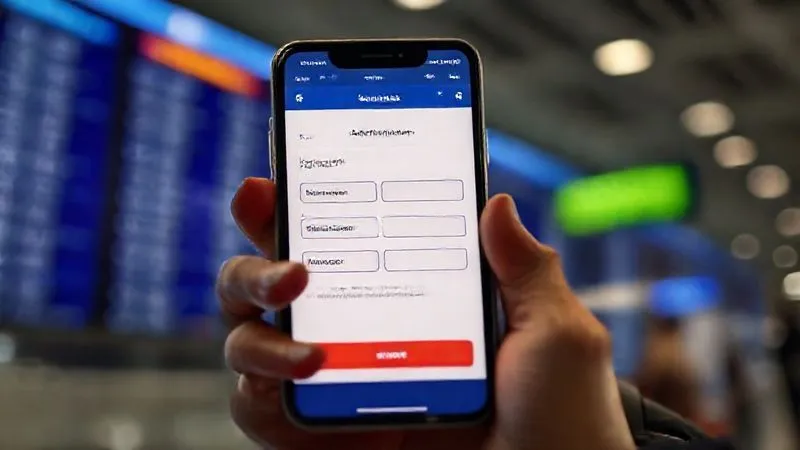
- Utilize Mobile Applications: Encourage (or mandate) the use of the insurer's mobile app or a company-approved travel management app that allows for instant incident reporting, photo uploads, and even geo-tagging of events.
- Dedicated Hotlines & Communication Channels: Provide clear, 24/7 contact information for the insurer's claims department and your internal travel support team. Ensure travelers know precisely who to call for different types of emergencies.
- Gathering Comprehensive Evidence: Train travelers on what constitutes good evidence. This includes:
- Photos/Videos: Of damaged luggage, airport screens showing delays, accident scenes, etc.
- Official Statements: From airlines, police, doctors, or hotel management.
- Receipts: For unexpected expenses incurred due to the interruption (e.g., emergency hotel stays, new clothes).
- Contact Details: Of any witnesses or involved parties.
Case Study: Zenith Global's Swift Resolution
Zenith Global, an international consulting firm with a large team of frequently traveling consultants, faced persistent challenges with their corporate travel interruption claims taking an average of 60 days to resolve. The delays often led to consultants using personal funds for unexpected expenses, causing significant frustration. By implementing a mandatory pre-trip digital document upload system and leveraging a custom mobile app for real-time incident reporting, they saw a dramatic improvement. The app allowed consultants to photograph incident scenes, upload official delay notices, and submit expense receipts instantly. Within six months, their average claim resolution time dropped from 60 days to 18 days. This translated into significant savings in administrative overhead, a marked improvement in employee satisfaction, and a direct positive impact on retention rates for their highly mobile workforce.
This proactive approach not only streamlines the claims process but also demonstrates a company's commitment to its employees' well-being, fostering a culture of trust and support.
Leveraging Technology for Streamlined Submissions & Communication
Beyond initial reporting, the actual submission of a claim and subsequent communication with the insurer can be a significant source of delay. Embracing advanced technology is crucial to transforming this phase from a manual slog into an efficient, automated process. This is where the digital transformation truly pays dividends in how to expedite corporate travel interruption claims process.
AI, Portals, and APIs: The Future is Now
Many leading insurers are investing heavily in digital platforms that go far beyond simple online forms. These technologies are designed to reduce manual intervention, minimize errors, and accelerate the validation and payment stages.
- Insurer Online Portals: Encourage the use of your insurer's dedicated corporate claims portal. These portals are often designed to guide users through the submission process, flagging missing information and potentially pre-populating fields based on existing policy data.
- AI-Powered Claims Processing: Some advanced insurers are using Artificial Intelligence and Machine Learning to rapidly review submitted documentation, identify key information, and even flag potential fraud or missing details. This can drastically cut down on manual review times.
- API Integrations: For larger corporations with sophisticated travel management systems (TMS) or enterprise resource planning (ERP) systems, consider direct API (Application Programming Interface) integration with your insurer. This allows for seamless, automated transfer of travel data and claims information, eliminating manual data entry entirely.
- Automated Notifications: Leverage systems that provide automated updates on claim status, reducing the need for manual follow-ups and keeping all parties informed.
According to a report by Deloitte, digital transformation in claims processing can reduce cycle times by 30-50% and improve customer satisfaction by up to 20%. The benefits are undeniable and directly impact your ability to expedite corporate travel interruption claims process.
Designating an Internal Claims Liaison & Training Your Team
While technology is vital, the human element remains indispensable. Even the most advanced systems require knowledgeable users and a clear internal structure to function optimally. A dedicated internal resource can act as a bridge between the traveler, the company, and the insurer, significantly smoothing the claims journey.
The Role of a Dedicated Claims Advocate
I strongly advocate for designating a specific individual or a small team within your organization to serve as a corporate travel claims liaison. This person becomes the internal expert, the single point of contact, and the advocate for your employees.
- Central Point of Contact: Travelers know exactly who to approach internally with questions or for assistance, rather than navigating complex company hierarchies.
- Policy Expertise: The liaison becomes intimately familiar with your specific corporate travel insurance policy, understanding its nuances, exclusions, and required documentation.
- Insurer Relationship Management: This person builds a direct relationship with the insurer's claims department, which can be invaluable for expediting complex or stalled claims.
- Internal Training & Education: The liaison is responsible for regularly educating travelers and travel bookers on claims procedures, required documentation, and best practices.
- Review and Submission Support: They can review claims before submission to ensure completeness and accuracy, drastically reducing the chances of rejection or requests for further information.
"An informed traveler is an empowered traveler. Consistent training, coupled with a clear internal support structure, transforms claims from a daunting task into a manageable process."
Regular training sessions – whether in-person workshops, webinars, or easily accessible digital guides – are crucial. These should cover: what to do in various interruption scenarios, how to gather evidence, and the step-by-step process for filing a claim. This proactive education is a cornerstone of how to expedite corporate travel interruption claims process.

Post-Claim Analytics and Continuous Improvement
The process doesn't end when a claim is settled. In fact, some of the most valuable insights for future claims acceleration come from analyzing past performance. Every claim, successful or not, is a data point that can inform and improve your future strategies.
Turning Data into Actionable Insights
Implementing a robust system for tracking and analyzing your corporate travel claims data can reveal patterns, highlight inefficiencies, and identify areas for policy or procedural adjustments. This iterative approach ensures continuous improvement.
- Track Key Metrics:
- Average Claim Resolution Time: From incident report to final payout.
- Claim Denial Rate: And, crucially, the reasons for denial.
- Common Causes of Interruption: Are certain routes, airlines, or types of travel more prone to disruption?
- Employee Satisfaction: Via internal surveys after a claim is resolved.
- Administrative Overhead: Time spent by internal teams on claims processing.
- Identify Bottlenecks: Is there a specific stage where claims consistently get stuck? Is it documentation gathering, insurer review, or internal approvals?
- Review Policy Effectiveness: Are there recurring claim types that your policy doesn't adequately cover, suggesting a need for policy adjustment or negotiation?
- Feedback Loop: Establish a feedback mechanism with your travelers and the claims liaison. What worked well? What could be improved?
By systematically analyzing this data, you can make informed decisions to refine your pre-trip preparation, improve real-time reporting protocols, and even renegotiate policy terms with your insurer. This data-driven approach is fundamental to truly master how to expedite corporate travel interruption claims process.
| Metric | Q1 2023 | Q2 2023 | Goal |
|---|---|---|---|
| Avg. Resolution Time (Days) | 45 | 38 | 25 |
| Claim Denial Rate (%) | 12% | 8% | 5% |
| Top Denial Reason | Incomplete Docs | Late Reporting | N/A |
| Employee Satisfaction (1-5) | 3.2 | 3.9 | 4.5 |
Regular reviews of this data with your insurer can also foster a more collaborative relationship, as they too benefit from understanding how to improve efficiency. For more insights on leveraging data, consider resources like Harvard Business Review's articles on data-driven decision making.
Frequently Asked Questions (FAQ)
What's the single biggest mistake companies make that delays claims? In my experience, the most common and impactful mistake is a lack of comprehensive, pre-trip digital documentation and clear, immediate reporting protocols. When travelers are scrambling for documents after an incident, or waiting days to report, the claim is almost guaranteed to face delays. Proactive preparation is the most significant accelerator.
How often should we review our corporate travel insurance policy? I recommend an annual, in-depth review of your policy, ideally 3-6 months before its renewal date. This allows ample time to assess its performance based on past claims data, negotiate new terms with your insurer or broker, and adjust coverage to reflect changes in your company's travel patterns, destinations, or employee demographics. Don't wait until renewal notice arrives.
Can a small business really implement these sophisticated strategies? Absolutely. While large corporations might have more resources for advanced API integrations, the core principles apply to businesses of all sizes. A small business can still prioritize proactive policy selection, create a simple digital document repository (even a shared cloud folder), train employees, and designate a single person as the internal claims point of contact. The scale differs, but the strategic approach remains the same.
What if our insurer's technology isn't as advanced as described? If your current insurer lacks robust digital tools, it's a clear signal to evaluate alternatives during your next policy review. However, even with less advanced insurers, you can still implement strong internal processes: meticulous manual documentation, clear communication templates, and a dedicated internal liaison who can streamline interactions with the insurer's existing (even if manual) systems. Your internal efficiency can compensate for external shortcomings to a degree.
How do we handle claims for complex, multi-leg international trips? Complex itineraries require even greater diligence. Ensure your policy has global coverage and understands multi-leg disruptions. Pre-trip, every segment's booking confirmation and contact details should be digitally accessible. During an incident, emphasize immediate, detailed reporting for each affected leg, including specific dates, times, and locations. Your internal claims liaison will be crucial here, acting as a central coordinator for all related claim components.
Key Takeaways and Final Thoughts
Navigating corporate travel interruptions and their associated claims doesn't have to be a source of perpetual frustration and financial drain. By adopting a strategic, proactive, and technology-driven approach, you can significantly transform this often-arduous process into an efficient, employee-centric system. My 15 years in this specialized field have unequivocally shown me that the companies that excel are those that view claims management not as a reactive burden, but as an integral component of their overall travel risk management and employee care strategy.
- Proactive Policy Selection: Tailor your insurance policy to your specific needs, don't settle for generic.
- Digital Preparedness: Establish centralized, digital documentation and pre-trip readiness.
- Real-time Reporting: Empower travelers with tools for immediate incident communication and evidence gathering.
- Leverage Technology: Embrace insurer portals, AI, and APIs for streamlined submissions.
- Dedicated Internal Support: Designate a claims liaison and ensure comprehensive team training.
- Continuous Improvement: Analyze claims data to identify bottlenecks and refine processes.
By implementing these proven strategies, you won't just learn how to expedite corporate travel interruption claims process; you'll build a resilient system that minimizes disruption, enhances employee satisfaction, and reinforces your company's reputation as a responsible and supportive employer. The investment in these practices today will pay dividends in operational efficiency and employee loyalty for years to come. Take these insights, apply them, and watch your claims process transform.
Recommended Reading
- Sued for Public Liability? 7 Immediate Steps Your Business Must Take Now
- Resolving Complex Personal Property Disputes: 7 Expert Strategies
- 7 Proven Strategies: Profitably Underwriting Geriatric Dog Insurance
- Unveiling the Hidden Truth: When Does Travel Insurance Not Cover Flight Cancellation?
- Unlocking Homeownership: How Mortgage Insurance Fuels Affordable Housing





Your email address will not be published. Required fields are marked *