



How to Reduce Commercial Auto Insurance Costs After a Major Claim?
For over two decades in the commercial auto insurance sector, I've seen countless businesses grapple with the aftermath of a major claim. It’s a moment of truth, often accompanied by the gut-wrenching realization that your premiums are about to skyrocket. This isn't just a bump in the road; it can feel like a direct hit to your bottom line, threatening the very viability of your operations.
The problem is systemic: a major claim flags your business as a higher risk, and insurers respond by adjusting their rates upwards. The initial shock gives way to frustration as you navigate complex policy documents and try to understand why the numbers are suddenly so much higher. Many fleet managers and business owners feel powerless, simply accepting the new, inflated rates.
But I'm here to tell you that you are not powerless. In this definitive guide, I'll share an actionable framework, born from years of experience and deep industry insight, designed to help you proactively and strategically reduce your commercial auto insurance costs after a major claim. We'll explore proven tactics, real-world case studies, and expert advice to turn a crisis into an opportunity for long-term savings and enhanced fleet safety.
Understanding the Aftermath: Why Premiums Spike
Before we can fix the problem, we must understand its roots. A major claim isn't just an isolated incident; it's a data point that reshapes your insurer's perception of your risk profile. This shift is the primary driver behind increased premiums.
The Insurer's Perspective on Risk
Insurers are in the business of risk assessment. They use sophisticated actuarial models to predict the likelihood of future claims and the potential cost of those claims. When your fleet experiences a major accident, it provides tangible evidence that your previous risk assessment may have been too low. They see it as an indicator of potential systemic issues, whether it's driver behavior, vehicle maintenance, or operational procedures.
Think of it like this: if you lend money to someone who suddenly defaults on a large payment, you'd likely adjust their future interest rates or lending terms. Insurers operate similarly. A major claim signals increased exposure to payouts, leading them to reprice your policy to reflect this higher perceived risk. This isn't punitive; it's simply how their business model functions to maintain solvency and profitability.
The Impact of Claims History on Underwriting
Your claims history is, arguably, the single most important factor in commercial auto underwriting. It's a direct reflection of your fleet's actual risk performance. Every claim, especially a major one involving significant property damage, injuries, or fatalities, leaves a lasting mark on this history. Insurers typically look back 3-5 years, sometimes even longer, when assessing your risk profile.
A major claim can trigger what's known as a 'surcharge' or a significant increase in your experience modifier. This modifier is a numerical factor applied to your base premium that adjusts it up or down based on your claims experience compared to other businesses in your industry. A major claim almost invariably pushes this modifier upwards, resulting in higher premiums across the board for all your vehicles.
Immediate Post-Claim Actions to Mitigate Damage
The moments immediately following a major claim are critical. How you handle these initial steps can significantly influence the long-term impact on your insurance costs. It's not just about reporting; it's about demonstrating control and responsibility.
- Prompt and Thorough Reporting: Report the claim to your insurer immediately. Delays can complicate investigations and even lead to coverage denials. Provide all necessary details, including police reports, witness statements, and photographic evidence.
- Internal Investigation: Conduct your own internal investigation to understand the root cause. This isn't about assigning blame, but about identifying systemic issues. Was it driver error, vehicle malfunction, or a procedural lapse? Document everything.
- Cooperate Fully with Insurer: Be completely transparent and cooperative with your insurance adjuster. Provide requested documents, facilitate access to vehicles or drivers, and answer questions honestly. This builds trust and can expedite the claims process.
- Legal Counsel (If Necessary): For severe claims involving serious injuries or fatalities, consider consulting legal counsel early. They can help navigate potential liabilities and ensure your business is protected.
- Review Your Policy: Understand your coverage limits, deductibles, and any exclusions. This knowledge is crucial for managing expectations and preparing for potential out-of-pocket costs.
By taking these immediate, decisive actions, you not only fulfill your obligations but also lay the groundwork for a more favorable outcome in the long run. It shows your insurer that you are a responsible policyholder committed to safety and risk management.

Re-evaluating Your Fleet's Risk Profile
A major claim is a wake-up call to re-evaluate every aspect of your fleet's risk profile. This isn't just about superficial changes; it's about embedding safety and vigilance into your operational DNA.
Driver Training and Safety Programs
In my experience, driver behavior is the single largest controllable factor in fleet safety. A major claim often points to a gap in training or a lapse in safety culture. Investing in robust driver training programs is not an expense; it's a critical investment in your future insurability.
- Advanced Defensive Driving: Go beyond basic licensing requirements. Implement courses focused on hazard perception, adverse weather conditions, and accident avoidance.
- Driver Monitoring and Coaching: Utilize telematics data (which we'll discuss next) to identify risky driving behaviors and provide targeted coaching.
- Regular Refresher Courses: Safety isn't a one-time lesson. Schedule annual or bi-annual refresher courses to reinforce best practices and address emerging risks.
- Incentive Programs: Reward safe driving. Programs that recognize and reward drivers for accident-free records can significantly boost morale and compliance.
Case Study: How Acme Logistics Reduced Incident Rates
Acme Logistics, a regional delivery company, faced a 40% premium increase after two major claims in a single year. Rather than simply absorbing the cost, their CEO, Sarah Chen, implemented a comprehensive driver safety initiative. This included mandatory quarterly defensive driving courses, a new telematics system for real-time driver feedback, and a monthly 'Safe Driver Bonus' program. Within 18 months, Acme Logistics saw a 60% reduction in minor incidents and a complete elimination of major claims. This impressive record allowed them to negotiate a 25% premium reduction with their insurer at the next renewal, recouping their investment in safety many times over.
| Safety Initiative | Impact on Incidents | Premium Impact Potential |
|---|---|---|
| Advanced Defensive Driving | Moderate Reduction | 5-10% |
| Driver Monitoring & Coaching | Significant Reduction | 10-15% |
| Incentive Programs | High Reduction | 5-10% |
| Regular Vehicle Maintenance | Moderate Reduction | 5-8% |
Vehicle Maintenance and Modernization
Preventative maintenance is another cornerstone of risk reduction. A well-maintained vehicle is less likely to break down or contribute to an accident. Regular inspections, timely repairs, and adherence to manufacturer service schedules are non-negotiable.
- Scheduled Maintenance: Implement a strict schedule for oil changes, tire rotations, brake inspections, and other critical checks.
- Pre-Trip Inspections: Mandate thorough pre-trip and post-trip inspections by drivers, addressing minor issues before they become major problems.
- Modern Safety Features: Consider upgrading older vehicles with modern safety technologies like automatic emergency braking, lane departure warning systems, and stability control. These features can significantly reduce the likelihood and severity of accidents.
Leveraging Technology: Telematics and Dashcams
The digital age offers powerful tools to enhance fleet safety and provide verifiable data to insurers. Telematics and dashcams are no longer luxuries; they are essential components of a modern, risk-aware fleet operation.
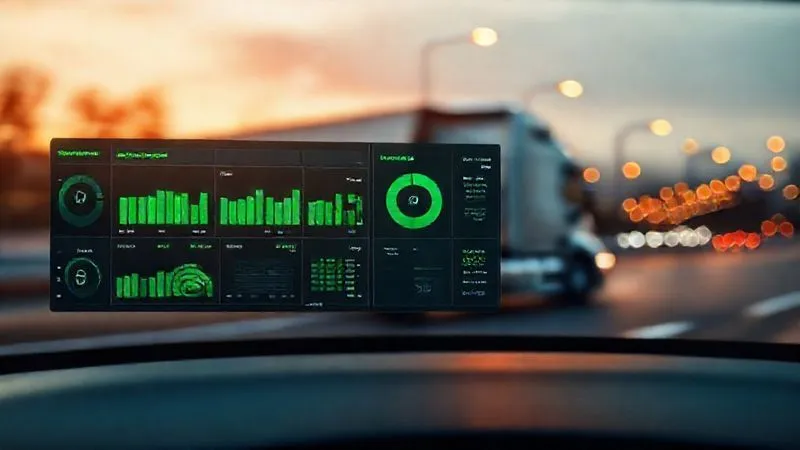
Telematics systems, often referred to as 'black boxes,' collect a wealth of data about vehicle performance and driver behavior. This includes speed, harsh braking, rapid acceleration, cornering, idle time, and even seatbelt usage. This data is invaluable for identifying risky patterns, providing targeted coaching, and, crucially, demonstrating your commitment to safety to your insurer. According to a study by The Insurance Information Institute, telematics can lead to significant premium reductions for commercial fleets.
- Real-time Feedback: Provide drivers with immediate feedback on their performance, allowing for self-correction.
- Accident Reconstruction: Telematics data can provide precise information about the moments leading up to an accident, which can be critical for claims investigation and determining fault.
- Optimized Routes: Improve efficiency and reduce exposure to high-risk areas or times.
Dashcams, both forward-facing and cabin-facing, offer irrefutable visual evidence. In the event of an accident, dashcam footage can quickly clarify fault, protect your drivers from fraudulent claims, and speed up the claims process. This objective evidence can be a powerful tool in negotiating premiums, as it reduces uncertainty for the insurer.
Strategic Policy Review and Negotiation
After implementing internal improvements, the next step is to strategically review your insurance policy and engage in informed negotiations. This is where your efforts in risk mitigation translate into tangible savings.
Working with Brokers: Your Advocate
A skilled commercial insurance broker is your greatest asset, especially after a major claim. They understand the nuances of the market, have relationships with multiple carriers, and can advocate on your behalf. Don't underestimate their power to present your improved risk profile in the best possible light.
I always advise clients to work closely with their broker. Provide them with all the data on your new safety initiatives, driver training logs, telematics reports, and maintenance records. Your broker can then use this evidence to approach multiple underwriters, demonstrating your proactive steps to reduce future claims. This competitive bidding process is crucial for securing the best possible rates.
Adjusting Deductibles and Coverage Limits
While often overlooked, adjusting your deductibles and coverage limits can also impact your premiums. Increasing your deductible, the amount you pay out-of-pocket before your insurance kicks in, will almost always lower your premium. However, this requires careful consideration of your business's financial capacity to absorb higher initial costs.
Similarly, reviewing your coverage limits is essential. Are you over-insured in certain areas? Or, conversely, are your limits too low, leaving you vulnerable to catastrophic losses? Work with your broker to find the right balance that protects your assets without unnecessarily inflating your premiums. For instance, if you have older vehicles with lower market value, you might consider adjusting collision coverage.
| Deductible Level | Estimated Premium Reduction | Out-of-Pocket Risk |
|---|---|---|
| $1,000 | 0% (Baseline) | Low |
| $2,500 | 5-10% | Moderate |
| $5,000 | 10-15% | High |
| $10,000 | 15-20%+ | Very High |
Expert Insight: "Never accept the first renewal quote after a major claim without a thorough review and negotiation. Your proactive safety measures are your strongest bargaining chips. Document everything and leverage your broker's expertise to present a compelling case for reduced risk."
Building a Culture of Safety: Long-Term Premium Reduction
Sustainable premium reductions aren't achieved through one-off actions; they come from embedding safety into your company's core culture. This goes beyond compliance and becomes a shared value among all employees.
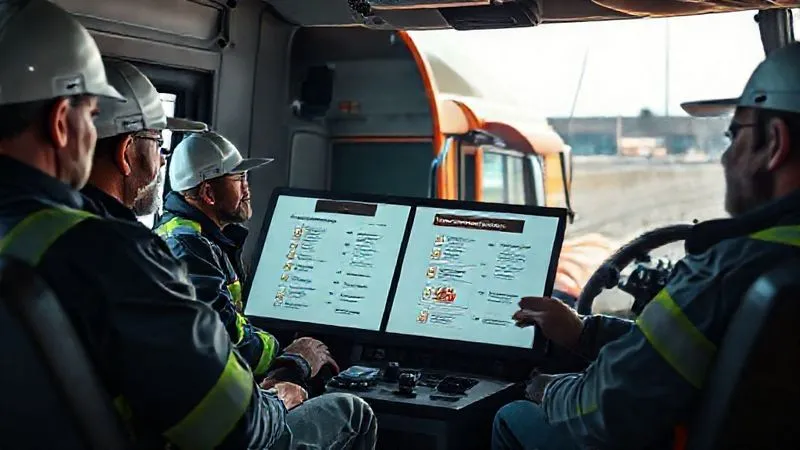
A strong safety culture fosters an environment where every employee, from the CEO to the newest driver, takes responsibility for preventing accidents. It's about proactive engagement, continuous improvement, and a commitment to protecting people and assets. As Harvard Business Review suggests, safety culture is a leadership imperative.
- Leadership Commitment: Safety must start at the top. When leaders visibly prioritize safety, it sends a powerful message throughout the organization.
- Employee Involvement: Empower employees to identify hazards, suggest improvements, and participate in safety committees. They are often on the front lines and have invaluable insights.
- Clear Communication: Regularly communicate safety policies, procedures, and performance metrics. Use safety briefings, newsletters, and digital platforms.
- Accountability: Establish clear expectations and consequences for safety violations, but also recognize and reward safe behavior.
- Continuous Learning: Treat every near-miss and incident as a learning opportunity. Conduct thorough investigations, implement corrective actions, and share lessons learned across the fleet.
Exploring Alternative Insurance Structures
For larger fleets or those with a consistent commitment to risk management, exploring alternative insurance structures can offer significant long-term savings and greater control over insurance costs.
Self-Insurance and Captives
Self-insurance involves a business retaining a portion or all of its own risk, rather than transferring it to an insurance company. This typically applies to predictable, smaller claims. For larger risks, a self-insured retention (SIR) or high deductible program is often used, where the business pays claims up to a certain threshold, and traditional insurance covers losses above that. This requires significant financial stability and a robust internal claims management system.
Captive insurance companies are essentially insurance companies owned by the businesses they insure. They allow businesses to directly underwrite their own risks, potentially reducing costs, gaining more control over claims, and even profiting from underwriting if losses are low. This option is complex and typically suited for very large organizations with sophisticated risk management programs.
Usage-Based Insurance (UBI) for Commercial Fleets
UBI, often powered by telematics, customizes premiums based on actual driving behavior and vehicle usage. Instead of a flat annual premium, rates can be adjusted based on factors like mileage, time of day, driving habits (speeding, harsh braking), and even routes taken. This model directly rewards safer fleets and can be particularly advantageous for businesses with variable usage patterns or those that have made significant improvements in driver safety post-claim.
While UBI is still evolving for commercial fleets, it represents a future where your commitment to safety is directly reflected in your insurance costs, offering a powerful incentive for continuous improvement.
Continuous Monitoring and Adaptation
The journey to reduce commercial auto insurance costs is not a destination but a continuous process. The market changes, technology evolves, and your fleet's needs will shift. Consistent monitoring and adaptation are key to sustained savings.
Regularly review your claims data, incident reports, and telematics performance. Are your safety initiatives yielding the desired results? Are there new technologies or training methods that could further enhance safety? Proactively seek feedback from your drivers and fleet managers. The insurance landscape is dynamic, with new regulations and market conditions constantly emerging. Stay informed and be prepared to adjust your strategies accordingly. This proactive approach ensures you remain a low-risk, attractive client to insurers.
- Quarterly Performance Reviews: Analyze safety metrics, incident rates, and training effectiveness.
- Annual Policy Audit: Work with your broker to re-evaluate your coverage needs and explore new market offerings.
- Stay Informed: Keep abreast of industry trends, safety regulations (e.g., FMCSA updates for US fleets from Federal Motor Carrier Safety Administration), and technological advancements.
- Driver Feedback Loop: Regularly solicit input from your drivers on safety concerns and operational challenges.

Frequently Asked Questions (FAQ)
Q: How long will a major claim impact my commercial auto insurance rates? A: Typically, a major claim can impact your rates for 3 to 5 years, as insurers look back at your claims history over this period. However, demonstrating significant safety improvements and a clean record in subsequent years can help mitigate the long-term impact sooner.
Q: Is it better to switch insurance carriers after a major claim? A: Not necessarily. While it's wise to explore options with different carriers through your broker, switching immediately might not guarantee lower rates, as new insurers will still see your claims history. Focus first on improving your risk profile, then leverage those improvements to negotiate with both your current carrier and potential new ones. Your current carrier might be more willing to work with you if they see genuine effort.
Q: Can I appeal a premium increase after a major claim? A: Direct appeals are often challenging without new information. Instead, focus on demonstrating tangible changes in your risk management practices. Present your insurer or broker with detailed evidence of new safety programs, driver training, telematics data, and maintenance logs. This 'appeal' is based on showing a reduced future risk, not just disputing the past claim.
Q: What role does my broker play in reducing costs post-claim? A: Your broker is your primary advocate. They can leverage their relationships with underwriters, present your case effectively, and shop your improved risk profile to multiple carriers to find the best rates. A good broker will help you understand market conditions and strategize your negotiations.
Q: Are there specific certifications or standards my fleet can achieve to demonstrate safety? A: Yes, various industry-specific safety certifications (e.g., ISO 39001 for road traffic safety management, or specific industry association safety programs) can significantly bolster your credibility. Achieving such standards provides objective proof of your commitment to safety, which can be a strong point in insurance negotiations.
Key Takeaways and Final Thoughts
Navigating the landscape of commercial auto insurance after a major claim can feel daunting, but it is far from a hopeless situation. By adopting a proactive, data-driven, and culturally integrated approach to safety and risk management, your business can not only mitigate the immediate impact but also lay the groundwork for long-term savings and a safer, more efficient fleet operation.
- Act Swiftly and Responsibly: Immediate, thorough post-claim actions are crucial.
- Invest in Driver Safety: Training and continuous coaching are your most powerful tools.
- Embrace Technology: Telematics and dashcams provide invaluable data and protection.
- Leverage Your Broker: They are your strategic partner in negotiation.
- Build a Safety Culture: Long-term savings stem from a company-wide commitment to safety.
- Continuously Monitor & Adapt: The journey to lower premiums is ongoing.
Remember, a major claim is a catalyst for change. Use it as an opportunity to critically assess your operations, implement robust safety protocols, and engage strategically with your insurance partners. By doing so, you're not just reducing costs; you're building a more resilient, responsible, and ultimately, more profitable business. The road ahead may have its challenges, but with the right strategies, you can navigate them successfully and emerge stronger than before.
Recommended Reading
- Uncover What Type of Water Damage Your Home Insurance Actually Covers
- Rapid Growth & BOP Gaps: 7 Essential Steps to Secure Your Future
- D&O Denial? 5 Steps When a Shareholder Lawsuit Hits Hard
- 7 Proven Strategies: Shielding Client Assets from LTC Costs (Beyond Medicaid)
- Claim Denied? 7 Steps When Your General Liability Fails





Your email address will not be published. Required fields are marked *