


Navigating the Labyrinth: Your Definitive Guide to Event Insurance
For over two decades in the specialty insurance sector, I've witnessed firsthand the exhilaration of flawlessly executed events and the utter devastation of those that spiraled into financial ruin. I vividly recall a charity gala, meticulously planned for months, that was washed out by an unexpected flash flood. The organizers, believing their venue's general liability covered everything, found themselves uninsured for the massive losses incurred from cancellations, unrecoverable deposits, and the reputational damage of not being able to refund ticket holders. It was a heartbreaking and entirely preventable disaster.
Many event planners, from seasoned professionals to first-time hosts, often feel overwhelmed by the complexities of risk management. They might purchase a basic policy, assuming it's a catch-all, or worse, skip it entirely, hoping for the best. This blind spot leaves them vulnerable to a myriad of unforeseen circumstances – from a guest slipping on a spilled drink to a key vendor backing out at the last minute, or even a global pandemic forcing a complete shutdown.
In this comprehensive guide, I'll draw upon my extensive experience to demystify event insurance. We'll explore not just what policies exist, but *why* they matter, how to identify your unique risk profile, and actionable frameworks to secure robust protection. My goal is to equip you with the knowledge to make informed decisions, ensuring your next event is a success, free from the shadow of uninsured liabilities.
Why Event Insurance Isn't Optional: The Unseen Risks
In my experience, thinking of event insurance as an optional extra is one of the most common and costly mistakes. It's not just about covering big, dramatic catastrophes; it's about safeguarding against the everyday incidents that can quickly escalate into significant financial burdens. Every event, no matter how small or seemingly straightforward, carries inherent risks.
The Spectrum of Event Liabilities
When you host an event, you're opening yourself up to a broad spectrum of potential liabilities. These aren't just theoretical; they are real-world scenarios I've seen play out countless times:
- Bodily Injury: A guest trips over a loose cable, slips on a dance floor, or is injured by a faulty piece of equipment. Medical bills, legal fees, and potential settlements can be astronomical.
- Property Damage: A caterer's equipment causes a fire, a guest accidentally damages the venue's antique furniture, or a storm damages rented tents. Who pays for the repairs or replacement?
- Alcohol-Related Incidents: If alcohol is served, you could be held liable for injuries or damages caused by an intoxicated guest, even after they've left your event. This is where liquor liability becomes critical.
- Vendor Issues: A key vendor (caterer, band, decorator) fails to deliver, leading to financial losses or reputational damage. While their insurance might cover some aspects, your event's overall success and financial stability are still at stake.
- Reputational Harm: A poorly managed incident, even if financially covered, can severely damage your brand or organization's standing, impacting future events and partnerships.
Case Study: The Uninsured Charity Gala
How a Single Oversight Led to Devastating Losses
Let's revisit my opening anecdote. A local non-profit organized a high-profile charity gala. They secured a beautiful historic venue, hired top-tier vendors, and sold out tickets. Their venue required them to carry general liability insurance, which they dutifully purchased. However, they opted out of event cancellation coverage, deeming it an unnecessary expense. Two days before the event, an unprecedented regional downpour caused severe localized flooding, making the venue inaccessible and forcing a last-minute cancellation.
The general liability policy covered potential bodily injury or property damage *during* the event, but it offered zero protection against the financial fallout of the cancellation itself. The non-profit lost all non-refundable vendor deposits, couldn't recoup marketing expenses, and faced immense pressure to refund tickets they no longer had the funds for. The financial hit was so severe it threatened the organization's existence, and their reputation suffered significantly. This scenario, unfortunately, is not uncommon and underscores why a holistic approach to event insurance is paramount.
As industry analysts often highlight, the cost of comprehensive event insurance is almost always a fraction of the potential losses from an uninsured incident. It's not an expense; it's an investment in peace of mind and financial stability.
Decoding Policy Types: What Coverage Do You Actually Need?
The world of event insurance can seem like a tangled web of jargon and specific clauses. Based on my years of guiding clients, understanding the core types of coverage is the first step to building a robust protection plan. It's rarely a one-size-fits-all solution.
General Liability Event Insurance
This is the cornerstone of almost any event insurance package. It protects the event host (you or your organization) from claims of bodily injury or property damage that occur during your event. For instance, if a guest slips and falls, or if a rented speaker system damages the venue floor, your general liability policy would typically respond to these claims. Most venues will mandate you carry a minimum amount of general liability coverage, often $1 million per occurrence and $2 million aggregate.
Event Cancellation Insurance
This is often overlooked, yet it's precisely what saved many event organizers during the recent global disruptions. Event cancellation insurance provides financial reimbursement for losses and expenses if your event must be canceled, postponed, or relocated due to circumstances beyond your control. This can include severe weather (like the gala example), natural disasters, venue unavailability (e.g., due to fire or structural damage), speaker or performer non-appearance, or even communicable disease outbreaks. It's crucial to understand what specific perils are covered and what exclusions might apply (e.g., often 'change of mind' is not covered).
Always scrutinize the 'force majeure' clauses in your venue and vendor contracts. While these clauses might excuse contractual performance, they don't recover your financial losses. That's where event cancellation insurance steps in, offering a critical financial safety net.
Liquor Liability Insurance
If you plan to serve alcohol at your event – whether paid or complimentary – liquor liability insurance is often non-negotiable. This specialized coverage protects you from claims arising from alcohol-related incidents, such as an intoxicated guest causing an accident or injury to themselves or others. Laws vary by state (often referred to as 'dram shop laws'), but the potential for liability is significant. Even if a licensed caterer is serving, your event could still be held partially responsible, making direct liquor liability coverage for the event host a prudent decision.
Property Damage & Rental Equipment Coverage
While general liability covers damage *to others'* property, this coverage specifically protects property you are responsible for. This includes the venue's property (beyond what general liability might cover if you're deemed negligent) and any equipment you rent for the event, such as sound systems, lighting, furniture, or specialized decor. Rented equipment can be incredibly expensive, and even minor damage can lead to substantial repair or replacement costs. Often, rental companies will require proof of insurance for their equipment.
Workers' Compensation for Temporary Staff
If you're directly hiring temporary staff, volunteers, or independent contractors for your event (rather than through an agency that provides their own workers' comp), you might need temporary workers' compensation coverage. This protects you from claims if one of these individuals is injured while working at your event. Failing to provide this can lead to significant out-of-pocket expenses for medical treatment and lost wages, not to mention legal challenges.
Calculating Your Risk: Factors Influencing Your Event Insurance Needs
Determining the right type and amount of event insurance isn't a guesswork exercise; it's a strategic assessment of your event's unique risk profile. Based on my experience, every detail contributes to this calculation.
Event Size and Scope
A small, private dinner party carries different risks than a multi-day music festival with thousands of attendees. The larger the guest count, the greater the potential for incidents. The complexity of the event – multiple stages, diverse vendors, elaborate setups – also increases exposure.
Venue Type and Requirements
The venue itself is a major factor. Is it indoors or outdoors? Does it have unique historical features? Is it a public park or a private estate? Venues often have specific insurance requirements, including minimum coverage limits and requiring them to be named as an 'additional insured' on your policy. Always review your venue contract thoroughly before seeking quotes.
Activities & Attractions
What activities will take place? Live music, dance floors, sporting events, rides, inflatables, pyrotechnics, or even animal interactions significantly elevate the risk profile. Each of these can require specific endorsements or specialized coverage beyond standard general liability. For instance, a bouncy castle inherently carries a higher risk of injury than a sit-down conference.

Attendee Profile
Who are your attendees? An event primarily for children will have different safety considerations and potential liabilities than one for adults. Similarly, events attracting high-net-worth individuals might warrant higher liability limits due to potential for larger claims.
The Application Process: Expert Tips for a Smooth Experience
Applying for event insurance doesn't have to be a daunting task. With proper preparation and the right approach, it can be a straightforward process that ensures you get the best coverage for your needs. I've often seen delays and complications arise simply from a lack of foresight.
Gathering Essential Information
Before you even contact an insurer or broker, have your ducks in a row. The more detailed and accurate information you provide, the quicker and more precise your quote will be. This includes:
- Event name, date(s), and times.
- Full venue address and contact person.
- Estimated number of attendees.
- Detailed list of activities (e.g., live band, catering, alcohol service, specific entertainment).
- Copies of venue contracts (especially noting insurance requirements).
- List of all vendors and whether they have their own insurance.
- Your organization's legal name and contact information.
Working with an Experienced Broker
While you can get quotes directly from some insurers, I strongly recommend working with an independent insurance broker who specializes in event or specialty insurance. They act as your advocate, understanding the nuances of different policies and insurers. They can help you identify hidden risks, compare multiple quotes, and ensure you meet all contractual obligations.
A specialized broker isn't just selling you a policy; they're providing invaluable risk management consultation. Their expertise can save you from critical coverage gaps that generic policies might miss.
Understanding Exclusions and Endorsements
Never assume your policy covers everything. Read the fine print! Pay close attention to 'exclusions' – what the policy *doesn't* cover. Conversely, 'endorsements' are additions or modifications to a standard policy that can expand or restrict coverage. For example, you might need a specific endorsement for pyrotechnics or a waiver of subrogation for your venue. Your broker can guide you through these crucial details.
Steps for a Successful Application:
- Initial Assessment: Define your event type, size, and specific activities.
- Information Gathering: Collect all necessary documents and details as listed above.
- Broker Consultation: Discuss your event with a specialized event insurance broker.
- Review Quotes: Compare coverage options, limits, deductibles, and premiums from various insurers.
- Clarify & Customize: Ask questions about exclusions, endorsements, and any specific concerns you have. Ensure the policy meets venue requirements.
- Purchase & Confirm: Once satisfied, purchase the policy. Ensure you receive proof of insurance (Certificate of Insurance) well in advance, and distribute it to necessary parties like the venue and key vendors.
Navigating the Fine Print: Common Pitfalls and How to Avoid Them
Even with the best intentions, event organizers often fall into common traps when securing insurance. These pitfalls, which I've observed repeatedly, can lead to inadequate coverage or costly surprises down the line.
Under-insuring Your Event
This is perhaps the most dangerous mistake. Choosing lower liability limits to save a few dollars on premiums might seem appealing, but it leaves you severely exposed. A major incident can quickly exceed basic $1 million general liability limits, leaving you personally or corporately responsible for the difference. Always consider the worst-case scenario and insure accordingly. It's better to be over-insured than under-insured.
Ignoring Venue-Specific Requirements
Venues almost always have specific insurance demands outlined in their contracts. These can include minimum liability limits, requiring the venue to be named as an 'additional insured,' and sometimes even specific types of coverage (e.g., host liquor liability). Failing to meet these requirements can lead to your event being denied access to the venue or, worse, a breach of contract with significant penalties.
Misunderstanding Alcohol-Related Clauses
Many general liability policies explicitly exclude liquor liability, or they only cover 'host liquor liability' (where alcohol is provided free of charge and not the primary focus). If you're selling alcohol or if it's a significant component of your event, a separate or endorsed liquor liability policy is essential. Don't assume your general policy has you covered.
Late Applications and Last-Minute Scrambles
Waiting until the last minute to secure event insurance is a recipe for stress and potentially inadequate coverage. Some insurers have lead times, especially for complex events. Rushing the process increases the likelihood of errors, overlooking critical details, or being forced to accept a less-than-ideal policy. Aim to have your insurance secured several weeks, if not months, before your event, especially for larger gatherings.
| Mistake | Impact | Solution |
|---|---|---|
| Under-insuring | Exposed to significant out-of-pocket costs | Assess worst-case scenarios; consult broker for appropriate limits |
| Ignoring Venue Requirements | Breach of contract, event cancellation, denied access | Review venue contract early; ensure policy meets all stipulations |
| Misunderstanding Alcohol Coverage | Uncovered claims from alcohol-related incidents | Explicitly confirm liquor liability; purchase separate policy if needed |
| Late Application | Limited options, rushed decisions, potential coverage gaps | Apply weeks/months in advance, especially for complex events |
| Not Reading Exclusions | Surprise non-coverage for specific risks | Thoroughly review policy exclusions; discuss with broker |
Beyond the Policy: Proactive Risk Management Strategies
While event insurance is a crucial safety net, it's not a substitute for proactive risk management. In my experience, the most successful events are those where organizers integrate insurance into a broader strategy of anticipating and mitigating potential problems. Insurance helps you recover; risk management helps you prevent.
Developing a Comprehensive Emergency Plan
Every event needs a detailed emergency plan. This isn't just a suggestion; it's a necessity. What will you do in case of a medical emergency, a fire, severe weather, or even an active threat? Your plan should include:
- Clear evacuation routes and assembly points.
- Designated emergency personnel and their roles.
- Communication protocols for staff, attendees, and emergency services.
- First aid stations and certified personnel.
- Contingency plans for power outages or equipment failure.
Practice drills, even simple walk-throughs, can significantly improve response times and minimize chaos during a real crisis.
Clear Communication with Vendors and Staff
Ensure all your vendors and temporary staff understand their roles, responsibilities, and safety protocols. Verify that key vendors (caterers, security, entertainment) have their own adequate insurance coverage and provide you with Certificates of Insurance (COIs) naming you as an additional insured. This 'layering' of insurance provides an extra layer of protection for your event.
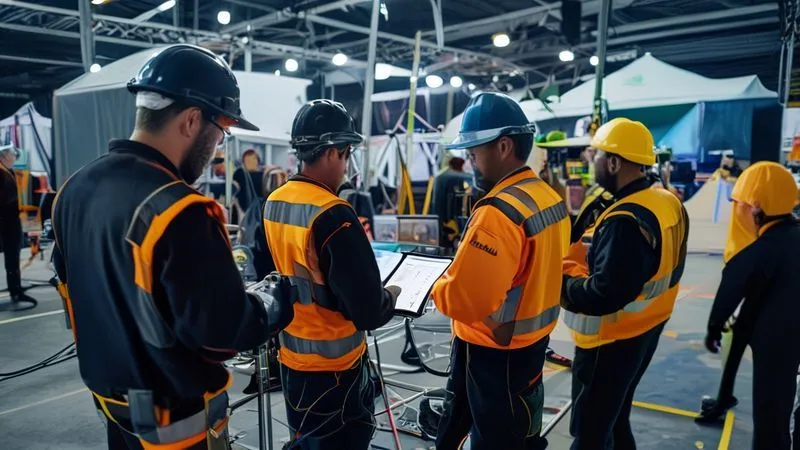
On-site Safety Protocols
During the event, actively monitor for potential hazards. This includes:
- Ensuring clear pathways and exits.
- Addressing spills or trip hazards immediately.
- Monitoring crowd control, especially at entrances, exits, and high-traffic areas.
- Checking equipment for proper setup and secure placement.
- Having visible signage for exits, restrooms, and emergency information.
Post-Event Review and Learning
After the event concludes, conduct a thorough debrief. What went well? What could have been better? Were there any incidents, near misses, or challenges that arose? Document these learnings to refine your risk management strategies and insurance needs for future events. This continuous improvement cycle is a hallmark of truly experienced event professionals.
Case Study: Securing a Multi-Day Music Festival
Harmony Fest: A Comprehensive Insurance and Risk Management Strategy
I recently advised the organizers of 'Harmony Fest,' a new three-day music festival attracting 15,000 attendees to a rural fairground. This was a complex undertaking with multiple stages, food vendors, craft stalls, camping areas, and a significant alcohol service component. My guidance focused on a multi-layered insurance and risk management strategy:
- General Liability: We secured a $5 million per occurrence/$10 million aggregate policy, recognizing the high attendee count and diverse activities. The fairground was added as an additional insured.
- Event Cancellation: Crucial for an outdoor, multi-day event. This policy covered severe weather (hurricanes, excessive heat), artist no-shows, and venue damage. It included clauses for communicable disease outbreaks, a critical lesson from recent years.
- Liquor Liability: A separate $2 million policy was purchased to cover the multiple beer gardens and alcohol sales points, addressing potential dram shop law liabilities.
- Vendor Requirements: Every food vendor, craft stall, and independent contractor was required to provide proof of their own general liability insurance, naming Harmony Fest as an additional insured. This significantly offloaded risk.
- Medical & Security: Dedicated medical teams and a robust security presence were contracted. Their insurance coverage was also verified.
- Emergency Plan: We developed detailed evacuation routes, severe weather shelters, communication trees for staff, and coordinated with local emergency services for rapid response protocols.
- Property & Equipment: Specific coverage was added for rented stage equipment, sound systems, lighting rigs, and temporary structures like large tents.
Harmony Fest ran smoothly, but a sudden thunderstorm on day two caused a temporary shutdown and evacuation. Thanks to the comprehensive emergency plan, attendees were safely sheltered, and the event resumed within hours. The event cancellation policy provided reassurance, though thankfully, it wasn't triggered for a full cancellation. This proactive approach not only protected their investment but also fostered a safer, more professional environment for everyone involved.
The Cost of Peace of Mind: What to Expect for Event Insurance Premiums
One of the most common questions I receive is, 'How much does event insurance cost?' While there's no single answer, as premiums are highly individualized, understanding the factors that influence cost can help you budget effectively. Think of it as investing in the security of your event, not just another expense.
Factors Influencing Cost:
- Event Type: A wedding typically costs less to insure than a concert or a sporting event due to differing risk profiles.
- Duration: A single-day event will be less expensive than a multi-day festival.
- Number of Attendees: Higher guest counts generally lead to higher premiums.
- Activities: High-risk activities (e.g., fireworks, extreme sports, heavy machinery) will increase costs and may require specialized coverage.
- Alcohol Service: If liquor liability is required, it adds to the premium.
- Coverage Limits & Deductibles: Higher liability limits mean higher premiums, but lower deductibles can also increase costs.
- Venue: Some venues, especially those with unique risks or high property values, can influence premiums.
- Your Claims History: A history of previous claims can lead to higher rates.
Tips for Reducing Premiums (Without Compromising Coverage):
- Early Application: Applying well in advance can sometimes secure better rates.
- Robust Risk Management: Demonstrating a strong emergency plan and safety protocols can sometimes influence insurers positively.
- Experienced Staff/Vendors: Using certified, insured professionals for high-risk activities can reduce your direct liability.
- Understand Your Deductible: Opting for a slightly higher deductible might lower your premium, but ensure it's an amount you're comfortable paying out-of-pocket in case of a claim.
- Bundle Policies: Sometimes, bundling multiple types of coverage with the same insurer can offer a discount.
While costs can range from a few hundred dollars for a small private event to tens of thousands for a large festival, the peace of mind and financial protection offered by comprehensive event insurance are, in my expert opinion, invaluable. For more insights on typical costs, you can consult resources like Investopedia's guide to event insurance costs.
Frequently Asked Questions (FAQ)
Is event insurance mandatory? While not always legally mandatory, most reputable venues will require you to carry event general liability insurance and name them as an additional insured. Beyond venue requirements, it is highly recommended to protect your financial investment and mitigate potential personal liability.
Can I get coverage for a last-minute event? Yes, many insurers can provide coverage for events with short notice. However, it's generally more expensive, and options might be limited. For complex events, last-minute applications can be challenging, and you might miss out on comprehensive coverage tailored to your specific needs. It's always best to apply as early as possible.
What if a vendor has their own insurance? Do I still need coverage? Yes, absolutely. While your vendors' insurance will cover their own negligence, it often won't protect you, the event organizer, from your own liabilities or a broader incident at the event. Always require vendors to provide proof of insurance (COI) and to name your event/organization as an additional insured on their policy, but this supplements, rather than replaces, your own comprehensive event insurance.
Does my homeowner's or business liability policy cover small events? Rarely, and usually with significant limitations. Homeowner's policies typically have exclusions for business activities or events open to the public. Similarly, standard business liability policies might not extend to special events held off-premises or those with unique risks like alcohol service or specific entertainment. Always consult your existing insurer, but expect to need a separate event-specific policy.
How far in advance should I purchase event insurance? For smaller, simpler events, a few weeks in advance is usually sufficient. For larger, more complex events (like festivals or multi-day conferences), I recommend securing your policy 2-3 months in advance. This allows ample time to compare quotes, understand policy details, and ensure all venue and vendor requirements are met without last-minute stress.
Key Takeaways and Final Thoughts
Navigating the world of event insurance can seem complex, but with the right knowledge and a proactive approach, it becomes a powerful tool for safeguarding your event and your peace of mind. As a veteran in this field, I've seen the difference it makes – turning potential disasters into manageable incidents, and ensuring that the focus remains on the joy and success of your gathering, rather than the shadow of unforeseen risks.
- Assess Your Unique Risk: No two events are identical; tailor your insurance to your specific activities, venue, and attendee profile.
- Go Beyond the Basics: Don't just settle for general liability. Consider event cancellation, liquor liability, and property coverage where applicable.
- Partner with an Expert: A specialized insurance broker is your most valuable asset in navigating policy complexities and securing optimal coverage.
- Read the Fine Print: Always understand your policy's exclusions and ensure all venue requirements are explicitly met.
- Integrate Risk Management: Insurance is a safety net, but proactive planning, clear communication, and on-site safety protocols are your first line of defense.
Remember, investing in comprehensive event insurance isn't just a compliance measure; it's a strategic decision that protects your financial investment, your reputation, and most importantly, the hard work and passion you pour into creating memorable experiences. Approach your next event with confidence, knowing you've built a robust shield against the unexpected.
Recommended Reading
- Simplifying HSAs: 7 HR Strategies for Diverse Employee Engagement
- Don't Get Taxed Twice: Understanding Annuity Annuitization Tax Implications
- Avoid Costly Mistakes: 7 Errors Invalidating Commercial Umbrella Coverage
- Cyber Insurance Claims: 7 Steps to Accurately Value Digital Assets
- 7 Expert Steps: Structure Complex HNW Wealth Transfer Using Insurance




Your email address will not be published. Required fields are marked *