



What to do when priceless art is damaged during international transit?
For over two decades in specialty insurance, particularly fine art, I've witnessed the profound distress and complex challenges that arise when a cherished or historically significant artwork suffers damage during its international journey. It’s a moment no collector, gallery, or museum ever wants to face, yet it’s a risk inherent in the global movement of cultural treasures. I've seen firsthand how a lack of immediate, informed action can turn a recoverable incident into an irrecoverable loss, both financially and culturally.
The moment you discover damage to a priceless piece – be it a Renaissance painting, an ancient artifact, or a contemporary sculpture – the initial shock can be paralyzing. Questions race through your mind: What now? Who is responsible? Can it be repaired? Will my insurance cover it? The stakes are incredibly high, often involving millions of dollars, irreplaceable cultural heritage, and the reputations of all parties involved.
This comprehensive guide, born from years of navigating these complex claims, will walk you through the precise, actionable steps you must take when priceless art is damaged during international transit. You'll learn not just what to do, but why, equipped with expert insights and a framework to protect your asset, ensure a robust insurance claim, and ultimately, preserve the legacy of the artwork.
1. Immediate First Steps: Securing the Scene and Documenting Initial Damage
When damage occurs, panic is a natural reaction, but it’s precisely at this critical juncture that swift, calculated action is paramount. Your immediate response will lay the groundwork for everything that follows, from the conservator's assessment to the insurance claim's success. I’ve seen this mistake countless times: well-meaning individuals unintentionally exacerbating damage or compromising evidence.
- Do Not Move the Art: Unless there's an immediate threat to the artwork (e.g., fire, flood, imminent collapse), resist the urge to move or unpack it further. Any disturbance could worsen the damage or obscure vital clues about how the incident occurred.
- Isolate the Area: Gently secure the immediate vicinity around the damaged piece. Prevent others from touching it, and if possible, control environmental factors like temperature and humidity if the artwork is sensitive.
- Notify All Parties Immediately: Contact your fine art insurance broker or insurer without delay. Also, inform the shipping company, the receiving agent, and any other relevant parties. Most policies have strict notification deadlines, often within 24-48 hours of discovery.
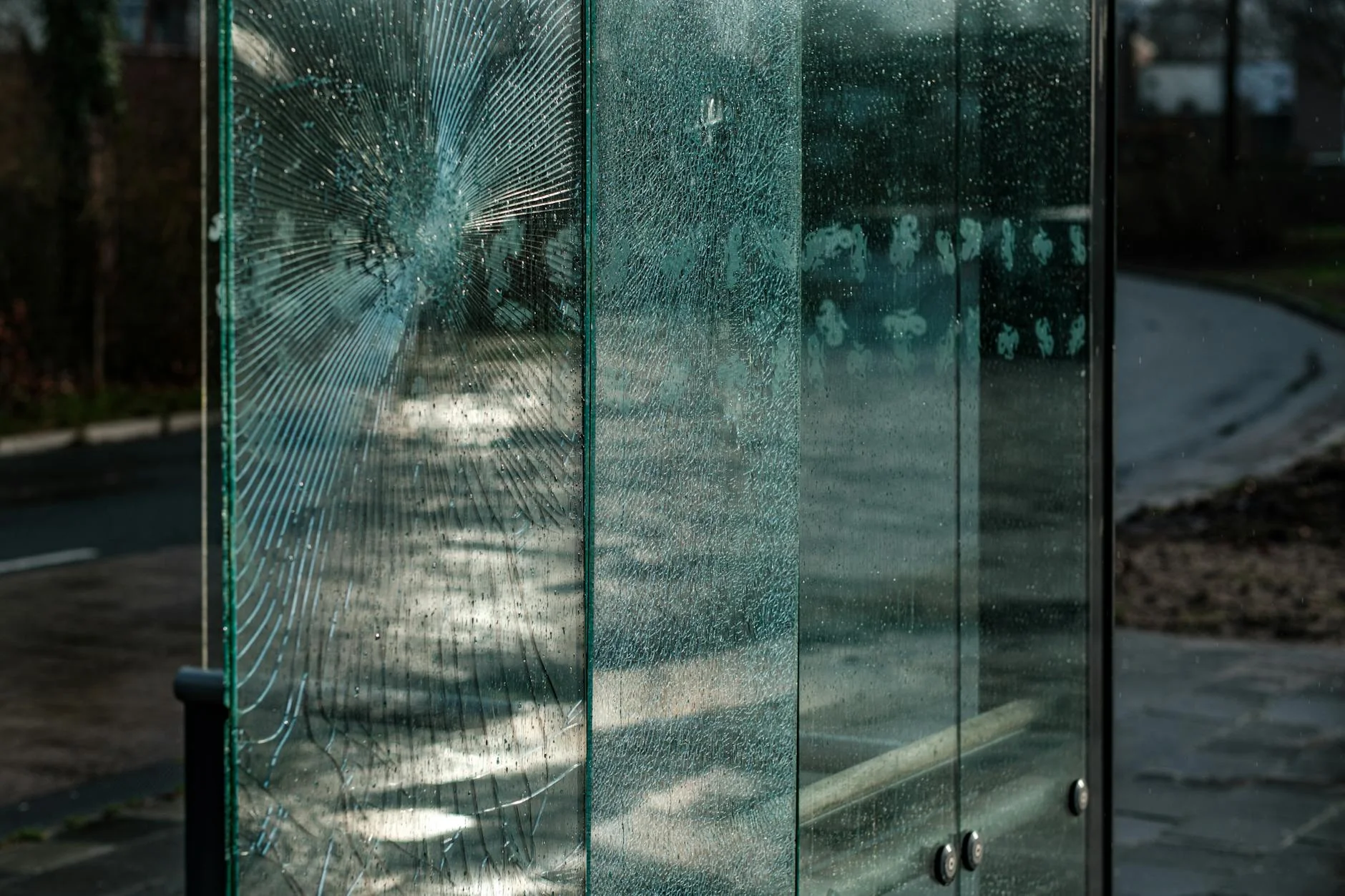
- Document Everything Meticulously: This is your absolute priority. Use a high-resolution camera to take detailed photographs and videos of the damage from multiple angles. Include wide shots of the artwork in its context (e.g., still in the crate, in the receiving area) and extreme close-ups of every crack, scratch, dent, or discoloration. Document the packing materials and the exterior of the crate for any signs of impact.
- Preserve All Packing Materials: Do not discard any part of the packaging, crating, or wrapping materials, no matter how insignificant they may seem. These materials are crucial evidence for assessing the cause of damage and the adequacy of the packing.
In the immediate aftermath, every decision you make, or fail to make, can significantly impact the viability and success of your insurance claim. Think of yourself as a forensic investigator; no detail is too small.
I cannot overstate the importance of this initial documentation phase. It's the foundation upon which your entire claim will rest. The clearer, more comprehensive your evidence, the stronger your position when negotiating with insurers and shipping companies. Remember, the goal is to create an irrefutable visual and written record of the damage as it was discovered, before any intervention.
2. Understanding Your Fine Art Transit Policy: The Devil in the Details
Before any artwork embarks on an international journey, a thorough understanding of its insurance coverage is non-negotiable. Yet, it's astonishing how often I encounter clients who haven't fully grasped the nuances of their fine art transit policy until a claim arises. This oversight can lead to significant disputes and even denied claims.
Most fine art transit policies are 'all-risk' policies, meaning they cover all perils unless specifically excluded. However, these exclusions can be extensive and vary widely. They might include inherent vice (a defect or characteristic of the artwork itself that causes damage), wear and tear, war, nuclear risk, or even specific environmental conditions if not properly mitigated.
Key Policy Clauses to Scrutinize:
- Coverage Scope: Does your policy provide true door-to-door coverage, or does it only cover specific legs of the journey (e.g., port-to-port)? Are there any geographical limitations?
- Exclusions: Carefully review the list of exclusions. Understanding what isn't covered is just as important as knowing what is.
- Deductibles: Be aware of your deductible amount. This is the portion of the loss you are responsible for before the insurance coverage kicks in.
- Notification Period: As mentioned, these are strict. Missing a deadline, even by a day, can jeopardize your claim.
- Valuation Basis: How is the artwork valued for the purpose of the policy? Is it an Agreed Value (a pre-agreed amount), Market Value (what it would fetch on the open market), or Replacement Cost (the cost to replace it with a similar item)? For priceless art, an Agreed Value policy is almost always preferred, as it removes ambiguity in the event of total loss or significant damage.
I always advise clients to understand their policy before transit, not after an incident. If you have questions, your broker is your first point of contact. For a deeper dive into marine cargo insurance, which often underpins fine art transit coverage, consulting reputable industry resources like Lloyd's of London's marine market insights can provide valuable context on the broader principles at play.
Understanding your policy's specifics, particularly regarding valuation, is crucial. An Agreed Value policy, where the insurer and policyholder agree on the artwork's value before transit, offers the most certainty. This avoids lengthy disputes over market fluctuations or subjective appraisals when a loss occurs, ensuring a smoother claims process for priceless and unique items.
3. The Critical Role of Comprehensive Documentation: Building an Ironclad Case
In the world of insurance claims, evidence is king. Without robust, verifiable documentation, even the most legitimate claim can be weakened or outright denied. This is where your meticulous attention to detail truly pays off. From the moment you decide to ship an artwork internationally, you should be building a comprehensive paper trail.
- Pre-Transit Condition Reports: These are indispensable. Before packing, a professional conservator or registrar should create a detailed report, complete with high-resolution photographs and a written description of the artwork's condition, including any existing imperfections. This establishes a baseline against which any new damage can be assessed.
- Packing & Crating Specifications: Document the materials used, the construction of the crate, and the packing process itself. Photographs of the artwork being packed, step-by-step, inside its crate, are highly valuable. This demonstrates that due diligence was exercised in protecting the piece.
- Shipping Manifests & Bills of Lading: Keep all official shipping documents. These provide crucial information about the journey, carriers, dates, and handling instructions.
- Photographic & Video Evidence (Post-Damage): As discussed in Section 1, this is vital. Ensure photos are dated and clearly show the damage in context.
- Expert Statements: Once conservators and appraisers are involved (as discussed in the next section), their written reports and findings become critical pieces of documentation for your claim.
Documentation Checklist for Damaged Art Claim
| Document Type | Required for Claim | Notes |
|---|---|---|
| Pre-Transit Condition Report | Yes | Detailed visuals & descriptive text |
| Packing Specifications | Yes | Crate photos, materials used, packing process |
| Bill of Lading/AWB | Yes | Shipping details, dates, carrier info |
| Damage Photos/Video | Yes | High-resolution, various angles, dated |
| Restoration Quotes | Often | From accredited conservators, detailed scope |
| Appraisal Report (Post-Damage) | Often | Assesses diminution of value |
In my experience, the more thoroughly you document, the smoother the claims process becomes. This data not only supports your claim but also provides invaluable information for the insurer's adjusters and any experts they may appoint. It streamlines the investigation and helps expedite a fair resolution. Think of your documentation as the narrative that tells the story of the damage, leaving no room for speculation.
4. Engaging the Right Experts: Conservators, Appraisers, and Legal Counsel
When priceless art is damaged during international transit, you're entering a highly specialized arena. This is not the time for guesswork or amateur intervention. Engaging the right experts is not just advisable; it's absolutely essential for accurately assessing the damage, determining its cause, estimating repair costs, and establishing the financial loss. Their authoritative voices lend credibility and weight to your claim.
The Art Conservator: First Responder to Damage
The first expert you should engage, after notifying your insurer, is a qualified art conservator specializing in the type of artwork in question (e.g., paintings, sculpture, textiles). Their role is multi-faceted: they will stabilize the piece to prevent further deterioration, conduct a thorough examination to determine the nature and extent of the damage, identify the likely cause, and propose a detailed conservation plan. Their report will be a cornerstone of your insurance claim, outlining the necessary treatments and associated costs.
Finding a qualified conservator is paramount. Always seek professionals accredited by recognized bodies. Organizations like the American Institute for Conservation (AIC) provide directories of accredited professionals who adhere to strict ethical and professional standards. Their expertise ensures that any proposed restoration work is of the highest caliber and respects the integrity of the artwork.
The Art Appraiser: Establishing the Loss
An independent, accredited art appraiser is crucial for establishing the pre-loss value of the artwork and, importantly, its post-damage value. Even if your policy is 'Agreed Value,' an appraiser can assess the 'diminution of value' – the loss in market value that an artwork might suffer even after expert restoration, simply because it has a history of damage. This is a critical component of many claims involving priceless art.
Legal Counsel: Navigating Complexities
While not always necessary, involving legal counsel specializing in art law and insurance can be invaluable, especially if the claim is substantial, complex, or contested. An attorney can interpret intricate policy language, negotiate with insurers and shipping companies, and represent your interests if litigation becomes necessary. I advise considering legal counsel if the insurer disputes liability, if the damage is catastrophic, or if there are multiple parties involved in a dispute over responsibility.
5. Navigating the Claims Process: From Notification to Settlement
Once you've secured the scene, documented the damage, understood your policy, and engaged your experts, you're ready to formally navigate the claims process. This can be a protracted and detailed undertaking, demanding patience and persistence. However, with the preparatory work you've done, you'll be in a strong position.
- Initial Notification: As previously emphasized, contact your fine art insurance broker or insurer immediately upon discovery of damage. Provide them with a preliminary report and initial photographic evidence.
- Formal Claim Submission: Follow up with a formal written claim, attaching all gathered documentation: pre-transit condition reports, packing specifications, shipping documents, your detailed post-damage photographs and videos, and the conservator's initial assessment.
- Insurer's Investigation: Your insurer will appoint an adjuster, and potentially their own experts, to investigate the claim. Cooperate fully, providing access to the artwork and all documentation, but always protect your interests. Do not make statements or sign documents without understanding their implications.
- Negotiation: This is often the longest phase. Based on the conservator's restoration plan, the appraiser's valuation, and the insurer's assessment, you will enter negotiations regarding the settlement. This might involve covering restoration costs, compensating for diminution of value, or a total loss payout.
- Settlement: Once an agreement is reached, the insurer will issue a settlement. Review the terms carefully before acceptance. Ensure it covers not only direct repair costs but also any agreed-upon diminution of value, expert fees, and other legitimate expenses.
Case Study: The 'Whispering Sands' Sculpture
Acme Art Gallery was shipping a unique kinetic sculpture, "Whispering Sands," valued at $2.5 million, from Venice to New York. Despite professional crating and a climate-controlled environment, the piece suffered significant internal structural damage due to unexpected, severe turbulence during air transit. The gallery, having followed my advice, immediately documented the damage upon discovery, preserved the specialized crate, and engaged a renowned sculpture conservator. Their detailed pre-transit report, coupled with the conservator's immediate assessment outlining the complex restoration needed, allowed them to swiftly notify their insurer within 24 hours.
Although the insurer's initial settlement offer primarily covered direct restoration costs, the gallery's independent appraiser provided a compelling re-evaluation of the piece's diminished value post-restoration, arguing that its unique kinetic integrity could never be fully replicated, impacting its future marketability. This meticulous preparation and expert involvement led to a revised settlement, which not only covered the full, extensive restoration costs but also included a substantial payout for the diminution of value. This case perfectly illustrates the power of meticulous preparation, prompt action, and the strategic engagement of specialized expertise when priceless art is damaged during international transit.
Be prepared for a back-and-forth during negotiation. Insurers, naturally, seek to minimize their payout, while you aim for full and fair compensation. Having all your documentation in order, coupled with expert opinions, provides you with significant leverage. Remember, your broker can often act as an advocate on your behalf during these discussions.
6. Valuation, Restoration, and Diminution of Value: Reconciling Loss and Preserving Legacy
When priceless art is damaged, the financial reconciliation goes beyond simply repairing the physical harm. It delves into complex questions of value, historical integrity, and market perception. This is where the expertise of conservators and appraisers truly shines, guiding the decision-making process.
Restoration vs. Total Loss: A Complex Decision
For minor damage, restoration is often straightforward. However, for significant or catastrophic damage, a crucial decision must be made: is restoration feasible and advisable, or is the piece a 'total loss'? A conservator will assess the extent of damage, the stability of the artwork, and the likelihood of successful restoration without compromising its historical or aesthetic integrity. Sometimes, the cost of restoration can exceed the artwork's value, or the damage is simply too severe to be fully reversible. In such cases, the insurer might declare a total loss, paying out the agreed value.
The Concept of Diminution of Value
Even after expert restoration, a piece might lose market value due to its history of damage. This 'diminution of value' is a critical, often overlooked, aspect of fine art claims. Collectors and institutions often value an artwork's pristine condition and provenance. A history of significant restoration, even if expertly done, can reduce its desirability and, consequently, its market price. For insights into art market trends and their impact on valuation, resources like The Art Basel and UBS Global Art Market Report can be invaluable for understanding broader market sentiments.
An independent appraiser plays a vital role in quantifying this diminution. They will compare the pre-loss market value with the estimated post-restoration market value, taking into account the type of damage, the extent of restoration, and the artwork's historical significance. This nuanced assessment ensures that you are compensated not just for the repair, but for the inherent loss of value the artwork has suffered.
7. Proactive Measures: Mitigating Future Risks
While knowing what to do when priceless art is damaged during international transit is crucial, I firmly believe that prevention is always better than cure. My years in specialty insurance have taught me that many incidents could have been avoided with robust pre-transit planning and risk mitigation strategies. This isn't just about protecting an asset; it's about safeguarding cultural heritage.
- Robust Risk Assessment: Before every transit, conduct a thorough risk assessment. Consider the artwork's fragility, its value, the route, the mode of transport, and the environmental conditions it will encounter.
- Professional Packing & Crating: Always engage specialists in fine art packing and crating. They understand the unique requirements of different materials and forms, using museum-quality materials and construction techniques to absorb shocks and protect against environmental fluctuations.
- Environmental Controls: For sensitive pieces (e.g., old master paintings, delicate textiles), insist on climate-controlled shipping containers and vehicles that maintain stable temperature and humidity levels throughout the journey. Consider using shock and environmental sensors within crates.
- Secure Logistics Partners: Vet your art handlers and shipping companies meticulously. Choose partners with a proven track record in fine art logistics, specific expertise in international transit, and comprehensive security protocols.
- Comprehensive Insurance Review: Review your fine art policy annually or before any major international transit. Ensure your coverage is adequate for the artwork's current valuation and that all specific risks of the journey are addressed.
Comparing Art Transit Risk Factors
| Transit Method | Primary Risks | Mitigation |
|---|---|---|
| Air Cargo (Standard) | Temperature/humidity fluctuation, vibration, handling errors, security at airports | Climate control crates, shock sensors, dedicated handlers, direct flights |
| Sea Cargo | Moisture, container shifting, longer transit times, port delays | Waterproof crating, secure lashing, specialized containers, real-time tracking |
| Road Transport | Vibration, road hazards, handling errors, theft on route | Air-ride suspension vehicles, experienced drivers, direct routes, GPS tracking, security escort |
| Courier (Hand-Carry) | Human error, limited capacity, customs issues | Dedicated professional courier, comprehensive travel insurance, pre-cleared customs |
Due diligence in these proactive measures is not an expense; it’s an investment in the safety and preservation of your priceless art. By carefully planning and executing each step of the transit process, you significantly reduce the likelihood of damage and the need to invoke your insurance policy in the first place. The peace of mind that comes from knowing you've done everything possible to protect your treasures is invaluable.
8. The Human Element: Managing Stress and Expectations
Beyond the technical and financial complexities, I've seen firsthand the emotional toll that damage to a beloved, historically significant, or financially crucial artwork can take. It's not just a financial loss; it's often a personal loss for collectors, a blow to a gallery's reputation, or a significant setback for a museum's exhibition schedule. The stress of navigating the aftermath can be immense.
It's vital to acknowledge this human element. Allow yourself to feel the frustration or disappointment, but then channel that energy into methodical, objective action. Rely on your chosen experts and trust the process. Understand that international claims can be lengthy, involving multiple parties across different time zones and legal jurisdictions. Patience is a virtue here, and managing your expectations regarding timelines is key.
Remember, while the process can be arduous, a well-prepared approach significantly increases your chances of a favorable outcome. Trust the experts you've engaged and remain objective. Your ultimate goal is the best possible outcome for the artwork and your interests, and a calm, strategic mindset is your greatest asset in achieving that.
Frequently Asked Questions (FAQ)
Q1: What if the damage is only discovered weeks or months after delivery? A: This is known as 'latent damage.' Many fine art policies include a clause for latent damage, allowing for notification beyond the immediate discovery period, provided the damage could not reasonably have been detected earlier. However, the burden of proof often falls on the claimant to demonstrate why it wasn't discovered sooner. Meticulous pre-transit documentation and immediate, thorough inspection upon receipt are your best defenses against disputes here.
Q2: Can I attempt minor repairs myself to stabilize the piece before a conservator arrives? A: Absolutely not. Any unauthorized intervention, even with good intentions, can inadvertently cause further damage, compromise critical evidence for the investigation, and potentially void your insurance coverage. Always wait for a qualified, accredited conservator to assess and stabilize the artwork. Their initial report is crucial for your claim.
Q3: Who is responsible for paying for the initial conservator's assessment and report? A: Typically, the owner or policyholder initially covers these costs. However, if the claim is deemed valid and covered by your insurance policy, these reasonable and necessary expert fees are usually reimbursable as part of the total claim settlement. Always confirm this with your insurer or broker upfront.
Q4: What if the shipping company denies responsibility for the damage? A: This is a common scenario. Your primary recourse is your fine art insurance policy. If you have comprehensive 'all-risk' coverage, your insurer should cover the loss (subject to policy terms and deductibles). The insurer will then typically pursue subrogation against the shipping company if they believe the carrier was negligent. This is where your detailed documentation of packing, handling, and the shipping process becomes critical for your insurer's subrogation efforts.
Q5: How does a piece's historical significance or provenance affect its valuation after damage? A: For priceless art, historical significance and provenance are paramount to its value. Damage, even if restored, can disrupt this integrity. An artwork's narrative and history of ownership are key components of its market appeal. Therefore, damage can lead to a more significant 'diminution of value' for historically important pieces compared to contemporary works, as originality and an unblemished history are highly prized. This is why an expert appraiser specializing in historical art is crucial.
Key Takeaways and Final Thoughts
- Act Immediately: Speed is critical for securing the scene, documenting damage, and notifying all relevant parties within policy deadlines.
- Document Everything: Pre- and post-transit records, including detailed photographs, condition reports, and shipping documents, are the bedrock of a successful claim.
- Know Your Policy: Understand your coverage, exclusions, deductibles, and valuation basis before transit to avoid unwelcome surprises.
- Engage Experts: Accredited conservators, independent appraisers, and specialized legal counsel are invaluable for accurate assessment, valuation, and negotiation.
- Be Proactive: Mitigate risks through robust pre-transit planning, professional packing, climate control, and vetted logistics partners.
The journey of a priceless artwork across international borders is inherently fraught with risk. But as I've aimed to convey, being prepared is not just about having insurance; it's about having a strategic, well-executed plan for when the unthinkable happens. Your ability to navigate the complexities when priceless art is damaged during international transit hinges on immediate action, meticulous documentation, and the wise engagement of specialized expertise. By following these steps, you safeguard not just a financial asset, but a piece of cultural heritage. Stay vigilant, stay informed, and protect the treasures that enrich our world.
Recommended Reading
- Cyber Insurance Claims: 7 Steps to Accurately Value Digital Assets
- Cracking the Code: 7 Steps to Explain Complex Travel Interruption Exclusions
- 5 Proven Strategies: Reduce Adjuster Burnout from High-Volume Complex Claims
- 8 Essential Steps: Rectifying Security Audit Deficiencies for Cyber Insurance
- Unlock Lower Premiums: What Cybersecurity Controls Impact Cyber Insurance Rates?



Your email address will not be published. Required fields are marked *