



How to Avoid Builders Risk Claims Denial for Project Delays
For over two decades in the property casualty insurance sector, particularly within construction, I've witnessed firsthand the devastating impact a denied builders risk claim can have. It's not just a financial setback; it can unravel entire projects, erode trust, and even lead to business failure. The sting of a denied claim, especially when you believed you were fully covered, is a painful lesson many learn the hard way.
The root of many denials often lies in project delays – a seemingly inevitable part of complex construction. Whether it's unforeseen weather, supply chain disruptions, labor shortages, or regulatory hurdles, delays are a constant threat. The critical question isn't *if* a delay will happen, but *how* you manage it in relation to your builders risk policy.
This article isn't just a guide; it's a deep dive into the practical, actionable strategies I've advocated for years to help contractors and developers safeguard their investments. We'll explore not just the 'what' but the 'how' – the meticulous documentation, proactive communication, and strategic policy management that are your strongest defenses against a claims denial for project delays.
Understanding the Builders Risk Policy: More Than Just a Safety Net
Before we delve into prevention, it's crucial to grasp the fundamental nature of a builders risk policy. Often referred to as 'course of construction' insurance, it's designed to protect a building or structure under construction from physical loss or damage. This typically includes perils like fire, wind (non-hurricane zones often have specific wind exclusions or deductibles), theft, vandalism, and collapse.
However, many project managers mistakenly assume it's a blanket policy covering all project-related financial losses. This is rarely the case. Builders risk policies have specific exclusions, conditions, and limitations that dictate when and how a claim can be made, particularly concerning delays.
Expert Insight: Your builders risk policy is a contract, not a guarantee. Every word, every exclusion, every condition matters. Understanding these nuances before a shovel hits the dirt is your first line of defense against claims denial.
A common misconception is that the policy will automatically cover losses stemming from *any* project delay. In reality, it generally covers direct physical damage to the insured property that *causes* a delay, not the financial losses *from* a delay itself, unless specific 'soft costs' or 'delay in completion' endorsements are purchased. This distinction is paramount.
Key Policy Components Related to Delays:
- Policy Period: This is perhaps the most critical element. Builders risk policies are issued for a specific duration, typically aligned with the estimated project completion date. If your project extends beyond this date without an extension, your coverage may lapse, rendering any subsequent claims invalid.
- Exclusions: Standard exclusions often include losses due to faulty workmanship, defective materials, mechanical breakdown, wear and tear, and sometimes even delays caused by regulatory actions or permitting issues.
- Conditions: These are requirements you must meet for the policy to remain valid. Examples include maintaining adequate security, notifying the insurer of significant changes, and prompt reporting of losses.
- Endorsements: These are additions that modify the standard policy. For project delays, 'soft cost' or 'delay in completion' endorsements are vital, covering expenses like additional interest on loans, real estate taxes, or lost rental income due to a covered physical loss that delays project completion.
Without a thorough understanding of these components, particularly the policy period and relevant endorsements, you're building on shaky ground. I've seen too many sophisticated firms get caught off guard because they focused solely on the premium and not the fine print.
Strategy 1: Meticulous Documentation & Record-Keeping
If there's one piece of advice I could engrave on every builder's hard hat, it's this: document everything. In the world of insurance claims, especially when project delays are involved, the quality and comprehensiveness of your documentation are often the deciding factors between approval and denial. An adjuster's job is to verify, and without verifiable proof, your claim is significantly weakened.
A. The Delay Log: Your Chronological Narrative
Implement a rigorous, real-time delay log. This isn't just a casual note; it's a formal, continuously updated record. For every delay, big or small, you must record:
- Date and Time of Occurrence: When did the delay event begin?
- Nature of the Delay: What exactly happened? (e.g., "Heavy rainfall rendering site unworkable," "Delivery of structural steel delayed by supplier XYZ," "Building inspector failed to show for scheduled inspection.")
- Specific Impact: How did this delay affect the project? (e.g., "Unable to pour foundation for 3 days," "Steel erection pushed back by 1 week, impacting subsequent trades.")
- Affected Work Packages/Trades: Identify which parts of the project and which contractors were impacted.
- Mitigation Efforts: What steps were taken to minimize the delay's impact? (e.g., "Rerouted material delivery," "Accelerated other non-critical path tasks," "Contacted alternative supplier.")
- Responsible Party (if applicable): Who or what caused the delay? (e.g., "Act of God - severe weather," "Supplier XYZ," "City Permitting Office.")
- Estimated Duration of Delay: How long is the project expected to be stalled or extended due to this specific event?
- Supporting Evidence: Reference all attached documents.
This log should be a living document, accessible and regularly reviewed by the project management team. It provides a clear, defensible timeline for any claim.

B. Photographic and Video Evidence: Visual Proof
Words are powerful, but images are undeniable. For any event that causes or contributes to a delay, capture visual evidence:
- Before & After: Document site conditions before and after a damaging event (e.g., flood, storm, vandalism).
- Damaged Materials/Work: Close-ups of specific damage.
- Weather Conditions: Photos or screenshots from weather apps showing severe conditions on specific dates.
- Site Conditions: Photos showing unworkable conditions (e.g., excessive mud, standing water).
- Delivery Issues: Photos of empty delivery bays or damaged deliveries.
Each photo or video should be timestamped and geo-tagged if possible. Store these securely and link them directly to your delay log entries.
C. Communication Records: The Paper Trail of Interaction
Every communication related to a delay needs to be recorded. This includes:
- Emails: Between contractors, suppliers, clients, architects, and authorities.
- Meeting Minutes: Documenting discussions about delays, mitigation plans, and responsibilities.
- Formal Letters/Notices: Any official correspondence regarding delays, extension requests, or force majeure declarations.
- Daily Reports: Standard daily reports from foremen or site supervisors noting site conditions, activities, and any issues encountered.
These records prove that you were proactive, communicated effectively, and took reasonable steps to manage the situation. They demonstrate good faith and diligence.
Strategy 2: Proactive Policy Management & Communication with Your Insurer
Many builders only think about their insurance policy when something goes wrong. This is a critical error. Proactive management of your builders risk policy is as important as managing the project schedule itself.
A. Timely Notifications and Policy Extensions
I've seen countless claims denied because the project simply ran past its policy expiration date. Builders risk policies are typically set for a fixed term, usually 12 months or the estimated project duration. If your project faces delays, even if they are 'covered' perils, you *must* notify your insurer and request a policy extension *before* the original policy expires.
Expert Insight: Never assume your insurer knows your project is running late. They won't. It's your responsibility to communicate. A lapse in coverage, even for a day, can invalidate a claim for damage that occurs during that gap.
When requesting an extension, provide a revised project schedule, the reasons for the delay (backed by your delay log), and the new estimated completion date. Be prepared to pay an additional premium for the extended coverage period. This is a small investment compared to the cost of an uninsured loss.
B. Understanding 'Soft Costs' and 'Delay in Completion' Endorsements
As mentioned, standard builders risk policies often don't cover the financial losses *resulting* from a delay, such as additional interest on construction loans, lost rental income, or extended property taxes. These are often called 'soft costs.' To cover these, you need specific endorsements.
| Endorsement Type | Coverage Scope | Key Consideration |
|---|---|---|
| Soft Costs | Additional interest, taxes, insurance premiums due to covered delay | Tied to physical damage, not just any delay |
| Delay in Completion/Loss of Rents | Loss of anticipated rental income or business interruption | Requires a covered physical loss causing the delay |
| Contractual Penalties | Liquidated damages or penalties for late completion | Highly specialized, often requires detailed underwriting |
Review your policy with your insurance broker to ensure you have these endorsements if these types of losses are a concern. Understand their triggers – they typically only activate if the delay is caused by a peril *otherwise covered* by the primary builders risk policy (e.g., fire, storm damage, not just general project mismanagement or supply chain issues).
C. Open Communication with Your Broker and Underwriter
Your insurance broker is your advocate. Maintain an open and honest dialogue with them about project progress, potential delays, and any significant changes to the project scope. They can help you interpret policy language, advise on necessary endorsements, and guide you through the claims process. Don't wait until a loss occurs to have these conversations.
Strategy 3: Thorough Damage Assessment & Immediate Claim Notification
Once a physical loss occurs that could trigger a claim and potentially lead to a delay, your response in the immediate aftermath is critical.
A. Immediate Damage Assessment
As soon as it's safe, conduct a thorough assessment of the damage. Document everything as detailed in Strategy 1 – photos, videos, written descriptions, and a clear timeline of the event. Identify the direct cause of the damage and its immediate impact on the project schedule. This initial assessment forms the basis of your claim.
B. Timely Notification to Your Insurer
Every builders risk policy has a clause regarding timely notification of a loss. This isn't a suggestion; it's a contractual obligation. Delaying notification can be grounds for denial, even if the claim is otherwise legitimate. "As soon as practicable" or "within X days" are common phrases. Err on the side of immediate notification.
When notifying, provide:
- Policy number
- Date and time of loss
- Description of the loss and damage
- Estimated extent of damage
- Any known project delays resulting from the damage
- Contact information for the project manager
Follow up your initial phone call with a formal written notification via email, ensuring a clear paper trail.
C. Mitigation of Further Loss
Your policy will also stipulate your duty to mitigate further loss. This means taking all reasonable steps to prevent additional damage after an incident. For example, after a roof collapse due to heavy snow, you must tarp the exposed areas to prevent water damage to interior finishes. Failing to do so could lead to the insurer denying coverage for the subsequent water damage, even if the initial collapse was covered.
Strategy 4: Navigating Exclusions and Policy Language
This is where many claims falter. Insurers are in the business of assessing risk and adhering to the terms of their contracts. Understanding common exclusions and carefully interpreting policy language is paramount.
A. Common Exclusions Leading to Denials
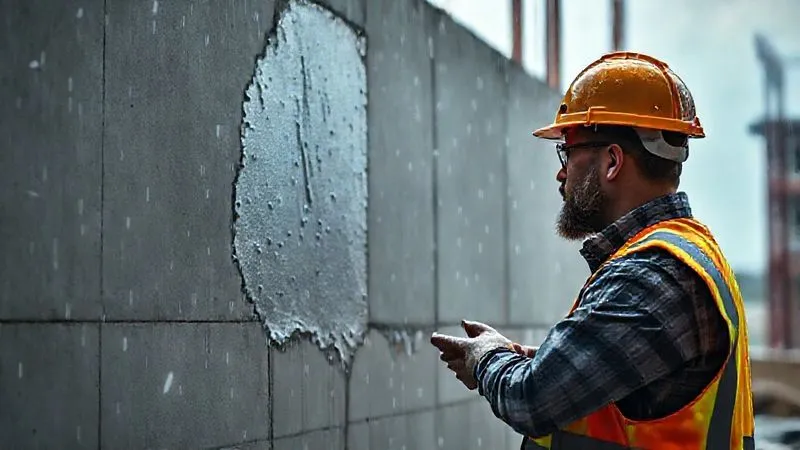
- Faulty Workmanship/Defective Materials: Builders risk policies typically do not cover losses arising from poor construction techniques or substandard materials. If a delay is caused because a wall collapsed due to incorrect structural engineering or a beam failed because it was defective from the manufacturer, the direct damage from the collapse might be covered, but the cost to repair the faulty workmanship or replace the defective beam itself may not be.
- Wear and Tear/Gradual Deterioration: Losses from natural aging or slow decay are almost always excluded.
- Contractual Penalties: Unless specifically endorsed, liquidated damages or penalties for late completion due to non-covered events are not covered.
- Regulatory Delays: Delays caused by slow permit approvals, changes in building codes, or stop-work orders (unless directly caused by a covered physical loss) are typically excluded.
- Market Conditions/Financial Hardship: Economic downturns, labor disputes not resulting in physical damage, or a contractor's financial insolvency are not covered perils.
- COVID-19 and Pandemics: Most standard policies written before or even during the pandemic have specific exclusions for losses arising from viruses or pandemics, including supply chain disruptions or labor shortages directly attributable to them.
B. The Importance of Causation
In insurance, causation is everything. For a delay to be covered (either directly or through a soft cost endorsement), it must be *caused by* a covered peril. If a hurricane (a covered peril) damages a building, causing a delay, then the delay-related costs might be covered if you have the right endorsements. However, if the same building is delayed because a key subcontractor went bankrupt (not a covered peril), then the delay and its associated costs are not covered.
Expert Insight: When documenting a delay, always draw a clear, defensible line of causation from the primary event to the delay. If the primary event is a covered peril, your chances improve dramatically.
According to a study by Marsh & McLennan, disputes over causation are among the most common reasons for claims litigation in complex construction projects. This underscores the need for impeccable documentation linking cause and effect.
C. Force Majeure Clauses in Your Contracts
While not directly part of your insurance policy, understanding your project's contractual force majeure clauses is critical. A force majeure event (e.g., extreme weather, acts of war, pandemics) might excuse you from contractual penalties for delays. However, being excused from penalties by your client does not automatically mean your builders risk policy will cover the financial losses from the delay. These are separate legal and financial considerations.
Strategy 5: Leveraging Technology for Risk Management & Claims Preparedness
In today's construction landscape, technology offers powerful tools to enhance risk management and streamline claims preparedness, moving beyond paper logs and static schedules.
A. Construction Management Software (CMS) Integration
Modern CMS platforms (like Procore, Autodesk Construction Cloud, or Viewpoint) are invaluable. They centralize project data, including schedules, daily logs, RFI's, submittals, and financial records. By integrating delay tracking directly into your CMS, you create a single source of truth for all project information.
- Real-time Updates: Foremen can update daily logs and incident reports directly from the field, ensuring data is current.
- Automated Reporting: Generate comprehensive reports on delay durations, causes, and impacts with a few clicks.
- Audit Trail: Every action, comment, and document upload is timestamped and user-attributed, providing an unalterable audit trail.
This level of integration significantly strengthens your position when presenting a claim, as it demonstrates a systematic and professional approach to project management and risk mitigation.
B. Drone Technology for Site Monitoring and Damage Assessment
Drones have revolutionized site monitoring. Regular drone flights can capture high-resolution imagery and video of the entire site, providing a comprehensive visual record of progress and conditions.

- Pre-loss Condition: Documenting the site's condition before a major weather event or incident can provide crucial 'before' evidence.
- Post-loss Assessment: Drones can quickly and safely assess damage in hard-to-reach or hazardous areas, providing immediate visual data for claims.
- Progress Tracking: Regular flights create a visual timeline of project progress, helping to correlate delays with specific events.
The visual data from drones can be compelling evidence for insurers, particularly in demonstrating the extent and cause of physical damage leading to delays.
C. Predictive Analytics and AI for Risk Identification
While still evolving, predictive analytics and AI are beginning to offer proactive insights into potential delays. By analyzing historical project data, weather patterns, supply chain information, and even social media sentiment, these tools can identify risk factors that might lead to future delays. For instance, an AI might flag an unusual spike in material costs combined with a forecast of severe weather in a key supply region, prompting proactive measures.
While not a direct tool for claims *denial prevention* in the traditional sense, leveraging these technologies allows you to mitigate risks *before* they manifest as costly delays, thereby reducing the likelihood of ever needing to file certain types of delay-related claims.
Frequently Asked Questions (FAQ)
Question? My project was delayed due to a major supply chain disruption for a critical material. Is this covered by my builders risk policy?
Detailed answer: Generally, no, not directly. Standard builders risk policies cover physical loss or damage to the insured property from specified perils (like fire, wind, theft). Supply chain disruptions, while causing significant financial losses and delays, are typically not considered a 'physical loss or damage' to the property itself and are usually not a covered peril. However, if the supply chain disruption was *caused by* a covered peril (e.g., a fire at the manufacturing plant of your critical material, or a hurricane destroying a key shipping port), and you have 'soft cost' or 'delay in completion' endorsements, then you might have a claim for the resulting financial losses and delays. The key is the direct link to a covered physical loss. Always review your specific policy and discuss with your broker.
Question? We experienced a significant rain event that shut down our site for a week. Can I claim the lost time and associated costs?
Detailed answer: This depends heavily on your policy and the specific circumstances. If the rain caused direct physical damage (e.g., flooding that damaged installed materials or equipment), then the repair costs for that damage would likely be covered. If you have 'soft cost' or 'delay in completion' endorsements, the financial losses from the delay caused by that *physical damage* might also be covered. However, if the rain simply made the site unworkable without causing physical damage, standard builders risk policies typically do not cover the costs associated with lost time due to adverse weather alone. Some policies may have specific weather-related clauses, but general delays from unworkable conditions are often excluded unless tied to a direct, covered physical loss. Document the weather event and its impact meticulously, regardless.
Question? What if my project is delayed because of faulty design or engineering? Is that covered?
Detailed answer: Losses due to faulty design or engineering are almost universally excluded from standard builders risk policies. These are considered professional liability issues, not physical perils. If a structural component fails due to a design flaw, the *cost to redesign and rebuild* that component would likely not be covered. However, if that design flaw leads to a collapse that then causes *further physical damage* to other, non-defective parts of the structure or to adjacent property, the damage to those other parts might be covered under the 'resulting damage' clause, though this is often a complex area of claims. This underscores the need for robust professional liability insurance for your design team.
Question? How often should I review my builders risk policy during a long-term project?
Detailed answer: You should review your builders risk policy at least annually, and certainly whenever there's a significant change to the project. Significant changes include: a major scope change, a substantial increase in project value (which could lead to underinsurance), a significant acceleration or deceleration of the schedule, a change in key contractors, or the introduction of new, high-risk construction methods. Proactive reviews ensure your coverage remains adequate and aligned with your project's evolving risks. It's also wise to review it whenever a potential delay becomes evident, to discuss extension options.
Question? Can I get coverage for liquidated damages if my project is delayed?
Detailed answer: Coverage for liquidated damages or contractual penalties for project delays is highly specialized and not typically included in a standard builders risk policy. Some insurers may offer specific, often complex, endorsements for this, but they are rare and require extensive underwriting. These endorsements would almost certainly be triggered only if the delay leading to the liquidated damages was caused by a covered physical loss under the builders risk policy. It's crucial to consult with a specialized broker if this is a significant concern for your project, as the availability and scope of such coverage are very limited.
Key Takeaways and Final Thoughts
- Know Your Policy Inside Out: Don't just buy a policy; understand its exclusions, conditions, and endorsements.
- Document, Document, Document: A meticulous delay log, photographic evidence, and communication records are your strongest assets.
- Proactive Policy Management: Notify your insurer of potential delays and secure extensions *before* your policy expires. Consider 'soft cost' endorsements.
- Timely Notification of Loss: Report any physical damage that could lead to a claim immediately to your insurer.
- Leverage Technology: Use CMS, drones, and data to enhance documentation, monitoring, and risk identification.
Navigating builders risk claims, especially when project delays are involved, requires diligence, foresight, and a deep understanding of your insurance contract. As an industry veteran, I've seen the difference these strategies make. They transform a reactive, stressful claims process into a proactive, defensible one. By implementing these steps, you're not just avoiding claims denial; you're building a more resilient, better-managed project that safeguards your investment and reputation. Don't leave your project's financial security to chance; arm yourself with knowledge and meticulous preparation.
Recommended Reading
- 5 Steps to Win Your Denied Political Risk Insurance Claim Appeal
- Missed ACA Enrollment? 7 Steps to Secure Employee Coverage Now
- 7 Steps: Ensure Your Small Business Thrives Through Short-Term Disability
- 5 Proven Ways to Slash Pet Insurance Claims for Preventable Wellness
- 7 Steps to Simplify Complex Mortgage Insurance Lender Requirements



Your email address will not be published. Required fields are marked *