


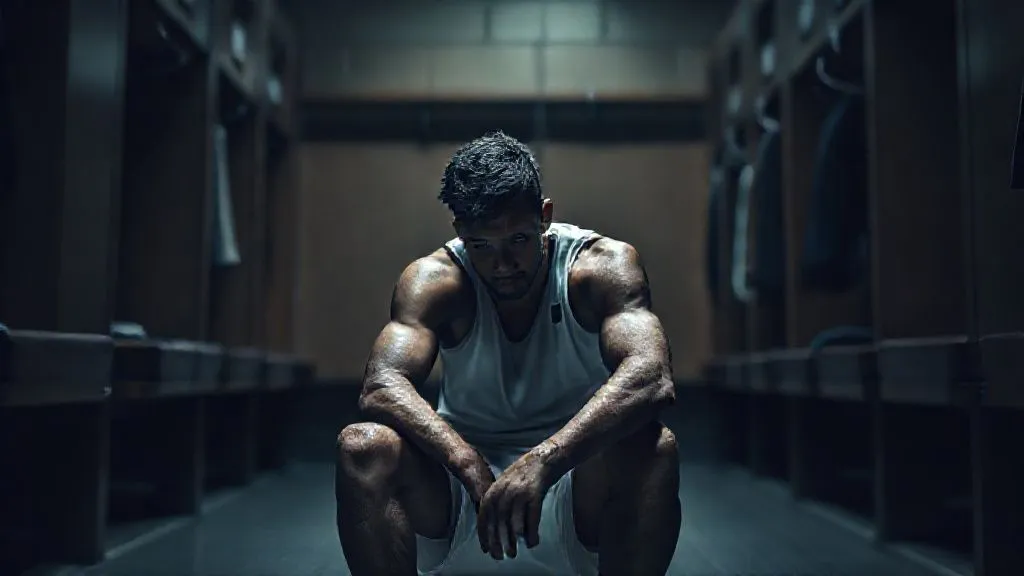
How to Protect Athlete Income from Career-Ending Injury?
For over two decades in the specialty insurance sector, I've witnessed the exhilarating highs and devastating lows of professional sports. I've seen countless athletes, seemingly invincible on the field, face the brutal reality of a career-ending injury. It's a moment that doesn't just halt a game; it can obliterate a lifetime of financial aspirations, leaving individuals and their families in precarious positions.
The unique nature of an athlete's career—intense physical demands, the constant risk of injury, and a typically short professional window—makes their income stream incredibly vulnerable. Unlike many other professions, an athlete's primary asset is their physical capability, and a single misstep, a torn ligament, or a concussion can instantly devalue or entirely extinguish that asset. This isn't just a physical recovery; it's a profound financial crisis that most are ill-prepared for.
In this definitive guide, I will draw upon my extensive experience to provide a robust framework for athletes, their agents, and their families. We'll explore actionable strategies, delve into the intricacies of specialty insurance products, and highlight critical financial planning steps designed specifically to safeguard an athlete's income against the specter of a career-ending injury. My aim is to equip you with the knowledge and tools to build true financial resilience.
Understanding the Unique Financial Risks Athletes Face
The financial landscape for a professional athlete is a double-edged sword. On one hand, the potential for significant earnings is immense; on the other, the fragility of that income stream is unparalleled. I often explain it like this: an athlete's body is their business, and any severe damage to the core 'machinery' can lead to immediate and prolonged business interruption.
Consider the average career length in major sports: roughly 3-5 years for NFL players, 4-5 years for NBA, and around 5-6 years for MLB. This brief window means athletes need to earn and save enough to last a lifetime. A career-ending injury early in this window can prevent them from ever reaching their earning potential, impacting endorsement deals, future contracts, and post-career opportunities. The financial ripple effect extends far beyond just lost salary; it affects their entire projected lifetime earnings.
"An athlete's greatest asset is their ability to perform. When that ability is compromised by injury, their financial future is immediately at risk. Proactive protection isn't a luxury; it's a necessity." - Industry Veteran Insight
Furthermore, many athletes support extended families, making the stakes even higher. The pressure to perform, combined with the underlying financial insecurity, can create immense stress. This is why a multi-faceted approach to income protection is not just advisable, but absolutely critical.
The Foundation: Comprehensive Disability Insurance (PTD & TTD)
When we talk about protecting an athlete's income, the cornerstone is often disability insurance. This isn't your average workplace policy; specialty disability insurance for athletes is designed to address the unique and high-risk nature of their profession.
Permanent Total Disability (PTD) Insurance
PTD insurance is the most critical component for career-ending injury protection. This policy pays out a lump sum if an athlete suffers an injury or illness that permanently prevents them from participating in their sport. The 'total' aspect means they can't perform the duties of their specific occupation (e.g., professional basketball player) and often, in the most comprehensive policies, any occupation for which they are reasonably suited by education, training, or experience.
- Define 'Total Disability': Ensure the policy clearly defines 'total disability' in relation to the athlete's specific sport. Some policies are more lenient, others more stringent.
- Policy Limits: Work with an experienced broker to determine appropriate coverage limits. These are typically based on current and projected earnings, often reaching tens or even hundreds of millions of dollars for elite athletes.
- Benefit Period: PTD policies usually pay a lump sum. Understand the payout structure and any waiting periods.
- Exclusions: Scrutinize exclusions carefully. Pre-existing conditions, certain high-risk activities outside the sport, or self-inflicted injuries are common exclusions.
According to a report by the National Bureau of Economic Research, career-ending injuries are a significant factor in the early retirement of professional athletes across various leagues, underscoring the necessity of robust PTD coverage. Read more on athlete retirement.
Temporary Total Disability (TTD) Insurance
While PTD focuses on career-ending scenarios, TTD insurance provides income replacement for injuries that sideline an athlete temporarily but are not career-ending. This is crucial for covering lost salary during recovery periods, especially for athletes on non-guaranteed contracts or those whose endorsement deals are tied to active play.
- Income Replacement: TTD policies typically replace a percentage of the athlete's lost income for a specified period (e.g., 12, 24, or 36 months).
- Waiting Period: Be aware of the elimination period—the time between the injury and when benefits begin.
- Definition of 'Temporary': The policy will define what constitutes 'temporary' and when benefits cease, often tied to medical clearance to return to play.
Mini Case Study: The Comeback Kid's TTD Safety Net
Case Study: How Star Pitcher Alex 'The Arm' Rodriguez Recovered Financially
Alex 'The Arm' Rodriguez, a rising MLB pitcher, was on a non-guaranteed contract when he suffered a severe elbow injury requiring Tommy John surgery. His team initially paid his salary, but his future earnings were uncertain. Luckily, Alex had secured a TTD policy with a benefit limit covering 80% of his annual salary for up to 24 months. While recovering, the policy paid out, allowing him to focus entirely on rehabilitation without financial stress. This financial stability was crucial to his mental well-being and successful return to the mound two seasons later, where he signed a multi-year guaranteed contract. Without TTD, the pressure of lost income could have jeopardized his recovery and future career.

Specialty "Loss of Value" Insurance: Bridging the Gap for Elite Prospects
Loss of Value (LOV) insurance is a more specialized product, particularly vital for elite collegiate athletes or those nearing professional draft eligibility. It addresses a specific, devastating scenario: an injury that occurs *before* a major professional contract is signed, causing the athlete's draft stock, and therefore their first professional contract value, to significantly decrease.
I've seen firsthand the heartbreaking financial impact when a top-tier prospect, projected to be a first-round pick, slips to a later round due to an injury sustained in their final college season. The difference in contract value can be tens of millions of dollars. LOV insurance is designed to cover this exact gap.
- Draft Position Trigger: The policy is typically structured to pay out if the athlete falls below a certain draft pick projection due to an injury sustained during a covered period.
- Contract Value Difference: The benefit is usually the difference between the projected contract value (based on pre-injury draft position) and the actual contract value received.
- Underwriting Complexity: LOV policies are highly complex to underwrite, requiring extensive medical evaluations, actuarial data, and expert projections of draft value.
For athletes like projected NBA lottery picks or top NFL prospects, an LOV policy can provide immense peace of mind, allowing them to focus on their performance without the added burden of catastrophic financial risk from injury.
Income Protection for Amateur and Collegiate Athletes: Navigating NCAA Rules
The landscape for amateur and collegiate athletes is distinct due to NCAA regulations, which traditionally restrict athletes from receiving benefits that could jeopardize their amateur status. However, the NCAA has evolved, and now allows for specific types of insurance to protect future earnings.
NCAA-Approved Disability Insurance Programs
The NCAA's Exceptional Student-Athlete Disability Insurance Program allows student-athletes in certain sports (football, men's and women's basketball, baseball, and men's ice hockey) to purchase disability insurance policies. These policies protect against future loss of earnings as a professional athlete due to a disabling injury or illness. The NCAA facilitates access but the athlete, or their family, is responsible for premiums. Learn more about NCAA programs.
- Eligibility: Typically applies to athletes who are projected to be high draft picks or sign high-value professional contracts.
- Coverage Limits: Policies can cover substantial amounts, reflecting potential future professional earnings.
- Compliance: It's absolutely crucial to work with an insurance broker who is intimately familiar with NCAA rules to ensure full compliance and avoid any amateur status violations.
The introduction of Name, Image, and Likeness (NIL) rights has further complicated the financial picture for collegiate athletes. While NIL deals provide current income, they don't inherently protect against career-ending injuries impacting future professional contracts. Athletes with significant NIL earnings should still consider robust disability insurance for their professional aspirations.
Beyond Insurance: Diversifying Income and Strategic Financial Planning
While insurance is a powerful risk transfer tool, it's only one piece of the puzzle. A truly resilient financial plan for an athlete goes beyond simply insuring against the worst-case scenario; it involves building wealth and diversifying income streams.
The Power of Early Investment and Savings
I cannot stress enough the importance of saving and investing a significant portion of early career earnings. The short career window means every dollar earned needs to work harder and longer. A well-structured investment portfolio can provide a safety net and long-term financial security, even if a career is cut short.
- Work with a Fiduciary Financial Advisor: Choose an advisor legally bound to act in your best interest. They should specialize in working with athletes.
- Establish an Emergency Fund: Aim for 6-12 months of living expenses in an easily accessible, liquid account.
- Diversify Investments: Don't put all your eggs in one basket. Explore a mix of stocks, bonds, real estate, and other assets appropriate for your risk tolerance and time horizon.
- Understand Tax Implications: Professional athletes often face complex tax situations. Proper planning is essential to maximize net income.
Exploring Non-Sports Related Income Streams and Skill Development
The most financially secure athletes I've worked with are those who think beyond their playing days from the very beginning. Developing skills and exploring interests outside of their sport can lay the groundwork for post-career success and create alternative income streams.
- Education and Mentorship: Pursue higher education or vocational training during the off-season.
- Business Ventures: Invest in or start businesses aligned with personal interests, but always with due diligence and expert advice.
- Brand Building: Leverage their platform to build a personal brand that can transition into media, endorsements, or entrepreneurial roles after retirement.
As marketing guru Seth Godin often says, "The market doesn't care about your stories, it cares about your value." Athletes need to cultivate value beyond their physical prowess. Explore Seth Godin's insights.
The Critical Role of Expert Advisors: Agents, Financial Planners, and Insurance Brokers
Navigating the complex world of athlete income protection requires a team of trusted professionals. Trying to go it alone is a recipe for disaster. Think of it as your personal 'front office' for your financial career.
- Experienced Sports Agent: Beyond contract negotiation, a good agent understands the importance of income protection and often has relationships with specialty insurance brokers and financial advisors.
- Fiduciary Financial Advisor: As mentioned, this advisor is ethically and legally bound to put your interests first. They will help with budgeting, investment planning, tax strategies, and overall wealth management.
- Specialty Insurance Broker: This is paramount. A general insurance agent likely won't have the expertise for complex athlete disability and loss of value policies. You need a broker who specializes in high-net-worth individuals and professional sports risks. They understand the nuances of policy wording, exclusions, and market availability.
- Legal Counsel: An attorney specializing in sports law can review contracts, endorsement deals, and insurance policies to ensure all legal protections are in place.
The synergy between these professionals is what truly creates a robust safety net. Each plays a vital role in ensuring that all angles of income protection are covered.
| Advisor Role | Key Responsibility | Why They're Crucial |
|---|---|---|
| Sports Agent | Contract negotiation, career guidance, initial introduction to financial/insurance pros | Maximizes playing income, navigates league specifics |
| Fiduciary Financial Advisor | Wealth management, investment strategy, tax planning, budgeting | Ensures long-term financial security, builds wealth beyond playing days |
| Specialty Insurance Broker | Sourcing and structuring disability, PTD, TTD, LOV policies | Expertise in complex athlete-specific risk transfer, tailored coverage |
| Sports Attorney | Legal review of contracts, endorsements, policy terms | Protects legal rights, ensures compliance and clear understanding |
Proactive Risk Management and Injury Prevention Strategies
While insurance protects against the financial fallout of injury, the best protection is prevention. A holistic approach to an athlete's career includes rigorous risk management and injury prevention protocols. This is where the athlete's dedication to their craft directly translates into financial security.
- Optimized Training and Conditioning: Work with top-tier strength and conditioning coaches, physical therapists, and sports scientists to build resilience and minimize injury risk.
- Nutrition and Recovery: Proper diet, hydration, sleep, and recovery protocols are non-negotiable for injury prevention and peak performance.
- Biomechanics Analysis: Utilize advanced technology to analyze movement patterns and identify potential injury risks, then implement corrective strategies.
- Mental Fortitude: Mental health and stress management play a significant role in an athlete's overall well-being and can indirectly impact injury susceptibility.
As a study published in the Journal of Sports Sciences highlighted, comprehensive injury prevention programs can significantly reduce the incidence and severity of injuries in professional sports, directly extending careers and protecting earning potential. View research on sports injury prevention.
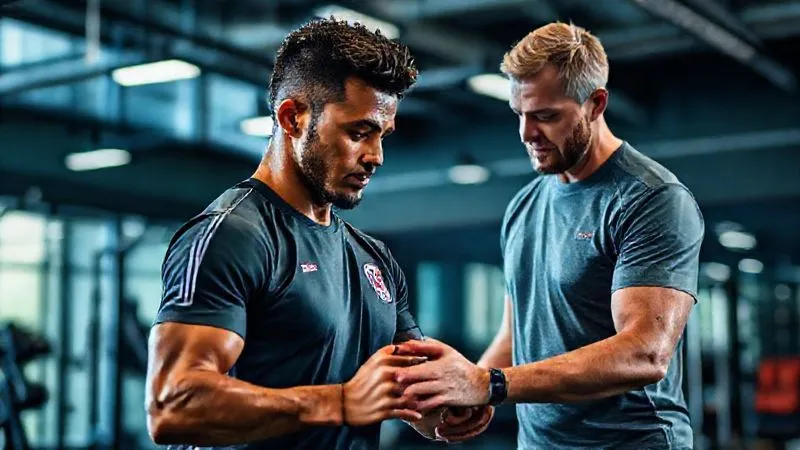
Navigating the Claims Process: What Athletes Need to Know
Even with the best policies in place, the true test comes when an injury occurs and a claim needs to be filed. This can be a complex and emotionally taxing process, which is why having the right team is crucial.
- Immediate Reporting: Report the injury to your agent and insurance broker as soon as possible. Delays can complicate the claims process.
- Comprehensive Documentation: Maintain meticulous records of all medical evaluations, treatments, rehabilitation progress, and communications with doctors and specialists. This documentation is critical evidence.
- Work with Your Broker: Your specialty insurance broker is your advocate. They will guide you through the paperwork, communicate with the insurer, and help interpret policy clauses.
- Understand Policy Definitions: Revisit the policy's specific definitions of 'total disability,' 'temporary disability,' and any other relevant terms. This is where the quality of your initial policy setup truly pays off.
- Be Patient but Persistent: Claims can take time. Be prepared for a thorough review process from the insurer. If there are delays or disputes, your legal counsel may need to get involved.
"The claims process is not just administrative; it's often a battle for an athlete's financial future. Having an expert team to navigate it is non-negotiable." - Industry Veteran Insight
A well-prepared athlete, with a strong support team, will find the claims process far less daunting, ensuring they receive the benefits they are entitled to when they need them most.
Frequently Asked Questions (FAQ)
Question: Can I get disability insurance if I have a pre-existing condition? Answer: It's more challenging, but not impossible. Insurers may offer policies with exclusions for that specific condition or charge higher premiums. It's crucial to disclose all medical history upfront. A specialty broker can help navigate the market for the best available options, potentially even seeking coverage from the Lloyd's of London market which often has more flexibility for unique risks.
Question: How much does specialty athlete disability insurance cost? Answer: Premiums vary wildly based on the athlete's sport, age, health, projected earnings, coverage amount, and specific policy terms. For high-value policies, premiums can range from 1-5% of the total coverage amount annually. It's a significant investment, but a necessary one given the stakes.
Question: What's the difference between a team's insurance and my personal policy? Answer: Team insurance typically covers injuries sustained while performing duties for the team, often providing a base level of salary continuation. However, it may not cover the full extent of future lost earnings or personal financial needs. A personal policy is tailored to the individual athlete's specific projected income and provides broader, more comprehensive protection independent of team contracts. Always have both.
Question: Is Loss of Value insurance only for athletes nearing the draft? Answer: Primarily, yes. It's most relevant for elite collegiate athletes or those on the cusp of signing their first major professional contract, where an injury could significantly diminish their projected value and therefore their initial contract. It's less common for established professionals who already have guaranteed contracts and robust PTD/TTD policies.
Question: What should I look for in a specialty insurance broker? Answer: Seek out a broker with extensive experience (at least 10+ years) specifically in professional sports and high-net-worth disability insurance. They should have strong relationships with multiple underwriters (including international markets like Lloyd's), demonstrate a deep understanding of policy nuances, and have a track record of successful claims advocacy. Ask for references!
Key Takeaways and Final Thoughts
- Proactive income protection is non-negotiable for athletes due to the unique fragility of their careers.
- Comprehensive specialty disability insurance (PTD, TTD, and for elite prospects, LOV) forms the bedrock of this protection.
- Strategic financial planning, including early savings, diversified investments, and exploring non-sports income, is crucial for long-term resilience.
- Building a trusted team of expert advisors—agent, financial planner, specialty insurance broker, and legal counsel—is paramount.
- Diligent injury prevention and meticulous claims documentation are essential components of a robust protection strategy.
The journey of a professional athlete is a testament to dedication and physical prowess. Yet, the financial cliff edge of a career-ending injury looms large for far too many. By embracing the strategies and insights I've shared, athletes can move beyond relying solely on their talent and build a robust financial fortress around their careers. Don't leave your financial future to chance; empower yourself with knowledge and the right protections. Your future self, and your family, will thank you.
Recommended Reading
- E&O Claim Response: 7 Steps to Protect Your Business & Avoid Fault
- Is Your Professional Liability Insurance Falling Short? 5 Steps to Assess & Upgrade
- What Does Travel Insurance Cover for Baggage Delay? Your Ultimate Guide
- USDA Mortgage Insurance Denied? 7 Steps to Fix Property Issues NOW
- Calculate Key Employee LTD Impact: 5 Steps to Financial Resilience





Your email address will not be published. Required fields are marked *