

For over 15 years in the commercial insurance sector, I've witnessed a common, often devastating, misconception: business owners believing their General Liability (GL) policy is a catch-all safety net. I recall a client, a thriving consulting firm, who faced a multi-million dollar lawsuit stemming from a professional error. They were utterly shocked when their GL insurer denied the claim, citing a clear exclusion. It was a painful lesson learned the hard way.
This scenario isn't unique. Many entrepreneurs operate under the false sense of security that their standard CGL policy covers every potential mishap. They focus on what it does cover—bodily injury, property damage, advertising injury—without truly understanding the critical gaps. This oversight can leave businesses vulnerable to catastrophic financial losses, reputational damage, and even bankruptcy.
In this definitive guide, I will pull back the curtain on the most significant risks that are typically excluded from your general liability policy. You'll gain expert insights into these often-overlooked areas, understand why they're excluded, and, most importantly, discover actionable strategies and alternative coverages to ensure your business is truly protected. My aim is to equip you with the knowledge to make informed decisions and safeguard your enterprise against unforeseen dangers.
Understanding the Core Purpose of General Liability
Before we dive into what’s excluded, it’s vital to grasp what General Liability insurance is fundamentally designed to cover. At its heart, a Commercial General Liability (CGL) policy protects your business from third-party claims of bodily injury, property damage, and personal and advertising injury arising from your business operations. Think of a customer slipping and falling in your store, or an employee accidentally damaging a client's property during a service call. These are classic CGL scenarios.
However, the key phrase here is 'third-party claims arising from your business operations.' This definition, while broad, has very specific boundaries. It’s not an all-encompassing shield against every conceivable business risk. Many business owners, especially those new to the complexities of commercial insurance, often conflate general liability with professional liability, cyber liability, or even workers' compensation. This misunderstanding is precisely where the dangerous gaps emerge.
My role, as an industry veteran, is to help you see beyond the surface and understand the fine print. According to the Insurance Information Institute, CGL policies are foundational but rarely sufficient on their own for comprehensive business protection. They are a critical piece of the puzzle, but far from the entire picture. Let's explore the pieces that are conspicuously missing.

Exclusion 1: Professional Services & Errors and Omissions (E&O)
One of the most common and often devastating exclusions I encounter relates to professional services. General Liability policies explicitly exclude claims arising from professional negligence, errors, or omissions in the services or advice you provide. If your business offers expert advice, design, consulting, or any specialized service where an error could cause financial harm to a client, your CGL policy will not cover it.
I've seen this mistake cripple firms. A marketing agency that provides incorrect legal advice, an IT consultant whose software implementation fails, or an architect whose design leads to structural issues—these are all scenarios where a CGL policy offers no protection. This is why Professional Liability insurance, also known as Errors and Omissions (E&O) insurance, is absolutely essential for service-based businesses. It's designed to step in precisely where GL steps out.
Case Study: The Design Firm's Costly Oversight
Consider 'Blueprint Innovations,' a mid-sized architectural design firm. They had a robust CGL policy but, believing it covered all liabilities, neglected to secure E&O insurance. A significant design flaw in a new commercial building project led to structural instability, causing the client substantial financial losses and construction delays. The client sued Blueprint Innovations for professional negligence. The CGL insurer immediately denied the claim, citing the professional services exclusion. Blueprint Innovations was forced to bear the multi-million dollar legal defense costs and settlement out of pocket, leading to severe financial strain and ultimately, the sale of the company to a competitor. This painful experience underscores the critical importance of understanding what your general liability policy doesn't cover.
Exclusion 2: Cyber Liability & Data Breaches
In our increasingly digital world, cyber risks are paramount, yet they are almost universally excluded from standard general liability policies. A CGL policy is designed for physical damages and traditional third-party injuries, not the intangible realm of data breaches, network intrusions, or cyber extortion. If your client's data is compromised due to a cyberattack on your systems, or if your network is held hostage by ransomware, your general liability policy will not cover the costs.
These costs can be astronomical, including forensic investigation, legal fees, notification expenses for affected individuals, credit monitoring, regulatory fines, and reputational damage. According to IBM's Cost of a Data Breach Report, the average cost of a data breach in 2023 was over $4 million. This is a risk no modern business can afford to ignore.
Expert Insight: "Cyber liability is not a matter of 'if,' but 'when.' Relying solely on General Liability for cyber protection is like bringing a knife to a gunfight. It's simply inadequate for the digital threats businesses face today."
To address this critical gap, specialized Cyber Liability insurance is indispensable. It provides coverage for the myriad of expenses associated with cyber incidents, protecting your business from the financial fallout of digital threats.
Exclusion 3: Pollution and Environmental Damage
This is another major exclusion that can have catastrophic consequences, particularly for businesses involved in manufacturing, construction, or industries that handle hazardous materials. General Liability policies almost always contain a 'pollution exclusion,' which broadly denies coverage for bodily injury or property damage arising out of the discharge, dispersal, seepage, migration, release, or escape of pollutants.
I've seen businesses face ruinous fines and cleanup costs because of this exclusion. Imagine a construction company accidentally rupturing an underground fuel tank, or a manufacturing plant having an unforeseen chemical spill. The environmental cleanup, third-party bodily injury claims, and property damage to surrounding areas would not be covered by a standard CGL policy. This includes both sudden, accidental events and gradual pollution.
- Types of Pollution: The exclusion often covers a wide range, from chemical spills and toxic waste to smoke, vapor, soot, fumes, acids, alkalis, and even waste materials.
- Cleanup Costs: The financial burden of environmental remediation can easily reach millions of dollars, far exceeding the capacity of most small to medium-sized businesses.
Businesses with any potential for environmental exposure need dedicated Pollution Liability insurance or Environmental Impairment Liability (EIL) coverage. This specialized policy is designed to cover cleanup costs, bodily injury, and property damage arising from pollution events, offering a crucial layer of protection where CGL falls short.

Exclusion 4: Employment Practices Liability (EPL)
Your General Liability policy does not protect your business from claims made by your own employees. This is a critical distinction many business owners overlook. Claims related to wrongful termination, discrimination (based on age, race, gender, religion, etc.), sexual harassment, retaliation, or other employment-related issues are specifically excluded from CGL coverage.
In my experience, even the most diligent employers can face such allegations. Employee lawsuits are common, costly, and can severely damage a company's reputation. The Equal Employment Opportunity Commission (EEOC) receives tens of thousands of discrimination charges annually, highlighting the pervasive nature of these risks. Legal defense costs alone, even for unsubstantiated claims, can quickly escalate into the tens of thousands of dollars.
This is where Employment Practices Liability (EPL) insurance becomes indispensable. EPL coverage protects your business against the costs associated with defending and settling claims brought by employees, former employees, or even prospective employees. It's a vital safeguard for any business with staff, regardless of size. For more information on employment laws, consult resources like the U.S. Equal Employment Opportunity Commission (EEOC).
Exclusion 5: Auto Liability (Owned, Hired, & Non-Owned)
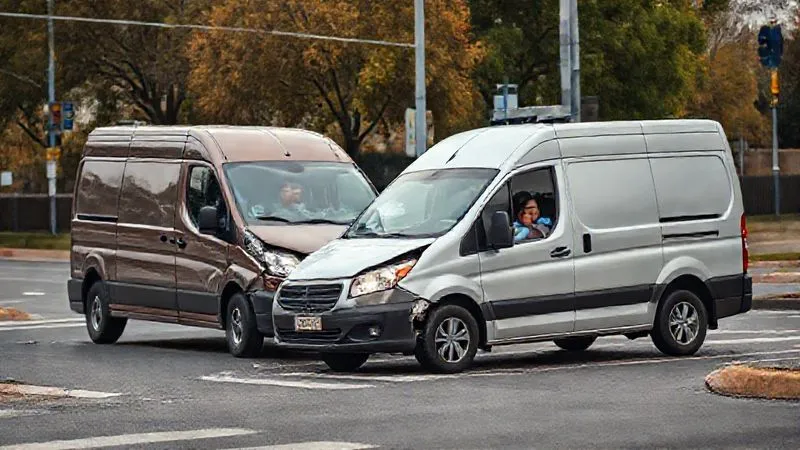
While your CGL policy covers bodily injury or property damage caused by your business operations, it generally excludes claims arising from the ownership, maintenance, use, or entrustment of any auto. This means if a company vehicle, or even an employee's personal vehicle used for business purposes, causes an accident, your general liability policy will not provide coverage for the resulting bodily injury or property damage.
This exclusion is particularly tricky because it extends beyond vehicles your business owns. It typically applies to 'hired autos' (vehicles leased, rented, or borrowed for business use) and 'non-owned autos' (employee-owned vehicles used for business errands). I've seen businesses assume their CGL would cover a delivery driver's accident in their personal car, only to find themselves completely uninsured.
To bridge this gap, businesses need a Commercial Auto policy. This specialized insurance covers the legal liability arising from accidents involving vehicles used for business, whether they are owned, leased, or non-owned. It's a separate, distinct coverage essential for any business whose operations involve vehicles.
Exclusion 6: Workers' Compensation & Employee Injury
Another fundamental exclusion from General Liability policies is coverage for injuries sustained by your own employees in the course of their employment. CGL policies are designed to protect against third-party claims, not internal employee claims. If an employee is injured on the job, their medical expenses, lost wages, and rehabilitation costs are covered by Workers' Compensation insurance, not your CGL policy.
Workers' compensation is a statutory requirement in almost every state, meaning businesses are legally obligated to carry it. It provides benefits to employees who suffer work-related injuries or illnesses, regardless of fault. Without it, a business could face severe penalties, lawsuits, and the direct financial burden of an injured employee's care, which can be astronomical.
I always emphasize that Workers' Comp is a completely separate and non-negotiable insurance line. It's an entirely different mechanism designed to handle employee-related injuries and occupational diseases. For guidelines and regulations on workplace safety and workers' rights, the Occupational Safety and Health Administration (OSHA) is an invaluable resource.
Exclusion 7: Product Recall Expenses
For businesses that manufacture, distribute, or sell products, the prospect of a product recall is a nightmare. While your CGL policy might cover bodily injury or property damage caused by a defective product you've sold (the 'products-completed operations hazard'), it generally excludes the significant costs associated with the recall itself. This includes expenses like notifying customers, shipping defective products back, disposal, and the cost of replacing the product.
A product recall can be incredibly expensive, not just in direct costs but also in terms of reputational damage. The logistical challenge alone can overwhelm a business. I've guided clients through these situations, and the financial strain from recall costs, which CGL doesn't cover, can be immense.
Actionable Steps: Mitigating Product Recall Exposure
- Implement Robust Quality Control: Establish stringent quality assurance processes throughout your production and supply chain.
- Develop a Recall Plan: Have a clear, actionable plan in place for how you would execute a recall, including communication strategies.
- Secure Product Recall Insurance: This specialized policy covers the direct costs of a recall, including notification, shipping, disposal, and often business interruption.
- Review Supplier Agreements: Ensure your agreements with suppliers clearly define responsibilities and indemnification in case of a product defect originating from their end.
To assess your product recall risk, consider the following:
| Risk Factor | Impact | Mitigation |
|---|---|---|
| Product Complexity | High | Enhanced QA, Component Tracking |
| Target Audience Vulnerability | Medium-High | Pre-market Testing, Clear Labeling |
| Supply Chain Origin | Medium | Supplier Audits, Redundant Suppliers |
| Regulatory Scrutiny | High | Compliance Officer, Legal Review |
| Brand Reputation | High | Proactive Communication, Recall Insurance |
The Crucial Role of Umbrella Policies and Specialized Coverages
Understanding these exclusions isn't about fear-mongering; it's about empowerment. Once you know what your CGL doesn't cover, you can proactively seek the right solutions. This often involves a combination of an Umbrella Policy and various specialized coverages.
- Commercial Umbrella Policy: An umbrella policy provides an additional layer of liability protection above and beyond the limits of your primary CGL, auto, and employer's liability policies. While it doesn't typically fill the gaps of entirely excluded risks, it significantly increases the financial protection for covered claims, acting as a crucial safeguard against catastrophic lawsuits.
- Specialized Policies: As we've discussed, specific risks require specific solutions: E&O for professional services, Cyber Liability for digital threats, Pollution Liability for environmental hazards, EPL for employee claims, Commercial Auto for vehicle-related incidents, and Product Recall insurance for product defects.
I always advise my clients to view their insurance portfolio not as a single policy, but as a layered defense system. Each policy serves a unique purpose, and together, they form a robust shield. Neglecting one layer leaves your entire business exposed. It's about building a comprehensive risk management strategy, not just buying a single policy.

Proactive Risk Management: Beyond Just Insurance
While insurance is a critical component of risk mitigation, it's not the only one. In my experience, the most resilient businesses are those that integrate proactive risk management strategies into their daily operations. This means identifying potential hazards, implementing preventative measures, and fostering a culture of safety and compliance.
For instance, robust internal controls can significantly reduce your EPL exposure, regular cybersecurity audits can fortify your defenses against data breaches, and comprehensive safety protocols can minimize workplace injuries. Insurance is a reactive tool, providing financial recovery after an incident. Proactive risk management is a preventative tool, aiming to avoid the incident altogether.
Engaging with a skilled insurance broker who understands your specific industry and risks is paramount. They can help you identify unique exposures, navigate the complexities of policy language, and recommend the precise coverages you need. Don't simply renew your policy annually; treat it as a living document that evolves with your business. Consult resources from organizations like the Risk Management Society (RIMS) for best practices in enterprise risk management. Regularly review your contracts, implement employee training programs, and stay abreast of regulatory changes. A holistic approach to risk management, combining robust insurance with proactive operational strategies, is your strongest defense against the unexpected. For further guidance on business resilience, consider resources from the Small Business Administration (SBA).
Frequently Asked Questions (FAQ)
Question: Can I add these excluded risks back into my CGL policy through endorsements? No, for most of these critical exclusions, you cannot simply add them back to a standard CGL policy with an endorsement. Risks like professional liability, cyber liability, and workers' compensation are fundamentally different in nature and require entirely separate, specialized policies. While some minor exclusions might be modified, the core exclusions discussed here necessitate dedicated coverage lines. Trying to force them into a CGL would be like trying to fit a square peg in a round hole; it simply doesn't align with the policy's design or intent.
Question: How often should I review my general liability policy and overall insurance portfolio? I strongly recommend reviewing your entire insurance portfolio at least annually, and more frequently if your business undergoes significant changes. Key triggers for review include: hiring new employees, expanding services, purchasing new equipment, entering new markets, changing your business model, or experiencing substantial growth. An annual review with your insurance broker ensures your coverage remains aligned with your evolving risks and helps you identify any new gaps that may have emerged.
Question: What's the fundamental difference between CGL and professional liability (E&O) insurance? The fundamental difference lies in the nature of the claim. CGL primarily covers claims for bodily injury and property damage to third parties arising from your general business operations or premises. E&O, on the other hand, covers claims arising from financial loss to a client due to an error, omission, or negligent act in the professional services or advice you provide. One covers physical incidents, the other covers professional mistakes. They are distinct and not interchangeable.
Question: Does general liability cover incidents that occur internationally? Generally, standard U.S.-based CGL policies have territorial limitations, typically covering incidents within the United States, its territories, Puerto Rico, and Canada. If your business operates or has exposures internationally, you will likely need a separate International CGL policy or a Difference in Conditions (DIC) policy to extend coverage beyond these defined territories. Always discuss international operations with your broker to ensure proper global coverage.
Question: Is property damage to my own business covered by my CGL policy? No, your General Liability policy does not cover damage to your own business property. CGL is for third-party property damage. Damage to your own building, equipment, inventory, or other business assets is covered by a Commercial Property insurance policy. Many businesses combine CGL and Commercial Property into a Business Owner's Policy (BOP) for convenience, but they remain distinct coverages.
Key Takeaways and Final Thoughts
Navigating the world of commercial insurance can feel daunting, but understanding the limitations of your General Liability policy is a non-negotiable step toward true business protection. My years in this industry have taught me that ignorance is not bliss when it comes to risk. It's a precursor to disaster. By now, you should have a clear understanding of the critical risks that your general liability policy likely excludes.
- General Liability is Foundational, Not Comprehensive: It covers specific third-party bodily injury and property damage claims, but leaves many other significant risks exposed.
- Key Exclusions Demand Specialized Policies: Professional Liability (E&O), Cyber Liability, Pollution Liability, Employment Practices Liability (EPL), Commercial Auto, Workers' Compensation, and Product Recall are distinct risks requiring dedicated insurance solutions.
- Proactive Review is Essential: Regularly reviewing your policy with an experienced broker and implementing robust risk management practices are crucial for identifying and mitigating gaps.
- Layered Protection is Key: A combination of CGL, an Umbrella policy, and specific specialized coverages creates a more resilient defense against the myriad of risks your business faces.
Don't wait for a claim denial to discover your vulnerabilities. Take this knowledge and apply it today. Engage with your insurance professional, ask the tough questions, and build an insurance portfolio that truly reflects the unique risks of your enterprise. Your business, your livelihood, and your peace of mind depend on it. Be proactive, be informed, and be protected.
Recommended Reading
- Client Impact Cyberattack: Are Your Direct Costs Covered?
- 5 Steps to Quickly Resolve Complex Life Claim Beneficiary Disputes
- 5 Steps: Stop Flexible Premium Annuity Underfunding Pitfalls Now
- 7 Proven Ways to Avoid Costly Deferred Annuity Surrender Charges
- High-Value Homes: 7 Steps to Master Complex Earthquake Claims



Your email address will not be published. Required fields are marked *